Please note:
Errata have been published for this article. To view the errata,
please click here and here.
Prepared by
Andrew T. Kroger, MD1
William L. Atkinson, MD1
Edgar K. Marcuse, MD2
Larry K. Pickering, MD3
1Immunization Services Division, National Center for Immunization and Respiratory Diseases (proposed)
2Children's Hospital and Regional Medical Center, Seattle, Washington
3Office of the Director, National Center for Immunization and Respiratory Diseases (proposed), CDC
The material in this report was prepared for publication by the National Center for Immunization and Respiratory Diseases, Anne Schuchat,
MD, Director; and the Immunization Services Division, Lance E. Rodewald, MD, Director.
Corresponding author: Andrew T. Kroger, MD, National Center for Immunization and Respiratory Diseases (proposed), CDC,
1600 Clifton Road, NE, MS E-52, Atlanta, GA 30333. Telephone: 404-639-1958; Fax: 404-639-8828; E-mail:
akroger@cdc.gov.
Summary
This report is a revision of General Recommendations on Immunization and updates the 2002 statement by the
Advisory Committee on Immunization Practices (ACIP) (CDC. General recommendations on immunization: recommendations of
the Advisory Committee on Immunization Practices and the American Academy of Family Physicians. MMWR
2002;51[No. RR-2]). This report is intended to serve as a general reference on vaccines and immunization. The principal changes
include 1) expansion of the discussion of vaccination spacing and timing; 2) an increased emphasis on the importance of
injection technique/age/body mass in determining appropriate needle length; 3) expansion of the discussion of storage and handling
of vaccines, with a table defining the appropriate storage temperature range for inactivated and live vaccines; 4) expansion of
the discussion of altered immunocompetence, including new recommendations about use of live-attenuated vaccines
with therapeutic monoclonal antibodies; and 5) minor changes to the recommendations about vaccination during pregnancy
and vaccination of internationally adopted children, in accordance with new ACIP vaccine-specific recommendations for use
of inactivated influenza vaccine and hepatitis B vaccine. The most recent ACIP recommendations for each specific
vaccine should be consulted for comprehensive discussion. This report, ACIP recommendations for each vaccine, and
other information about vaccination can be accessed at CDC's National Center for Immunization and Respiratory
Diseases (proposed) (formerly known as the National Immunization Program) website at
http//:www.cdc.gov/nip.
Introduction
This report provides technical guidance about common vaccination concerns for clinicians and other health-care
providers who administer vaccines to infants, children, adolescents, and adults. Vaccine recommendations are based on
characteristics of the immunobiologic product, scientific knowledge about the principles of active and passive immunization,
epidemiology and burden of diseases (i.e., morbidity, mortality, costs of treatment, and loss of productivity), vaccine safety
considerations, cost analysis of preventive measures, published and unpublished studies, and expert opinion of public health officials
and specialists in clinical and preventive medicine.
Benefits and risks are associated with using all immunobiologics (i.e., an antigenic substance or
antibody-containing preparation). No vaccine is completely safe or effective. Benefits of vaccination include partial or complete protection
against infection for the vaccinated person and overall benefits to society as a whole. Benefits include protection from
symptomatic illness, improved quality of life and productivity, and prevention of death. Societal benefits include creation and
maintenance of herd immunity against communicable diseases, prevention of disease outbreaks, and reduction in health-care--related
costs. Vaccination risks range from common, minor, and local adverse effects to rare,
severe, and life-threatening conditions. Therefore, recommendations for vaccination practices balance scientific evidence of benefits for each person and to
society against the potential costs and risks for vaccination for the individual and
programs.
Standards for child and adolescent vaccination practices and standards for adult vaccination practices
(1,2) have been published to assist with implementing vaccination programs and maximizing their benefits. Any person or institution
that provides vaccination services should adopt these standards to improve vaccination delivery and protect infants,
children, adolescents, and adults from vaccine-preventable diseases.
To maximize the benefits of vaccination, this report provides general information about immunobiologics and
provides practical guidelines about vaccine administration and technique. To minimize risk from vaccine administration, this
report delineates situations that warrant precautions or contraindications to using a vaccine. These recommendations are
intended for use in the United States because vaccine availability and use and epidemiologic circumstances differ in other
countries. Individual circumstances might warrant deviations from these recommendations.
The relative balance of benefits and risks can change as diseases are controlled or eradicated. For example, because
wild poliovirus transmission has been interrupted in the United States since 1979, the only indigenous cases of
paralytic poliomyelitis reported since that time have been caused by live oral poliovirus vaccine (OPV)
(3). In 1999, to eliminate the risk for vaccine-associated paralytic poliomyelitis (VAPP), exclusive use of inactivated poliovirus vaccine (IPV)
was recommended for routine vaccination in the United States. However, because of superior ability to induce
intestinal immunity and to prevent spread among close contacts, OPV remains the vaccine of choice for areas where wild poliovirus
is still present (4). Until worldwide eradication of poliovirus is accomplished, continued vaccination of the U.S.
population against poliovirus will be necessary.
Timing and Spacing of Immunobiologics
General Principles for Vaccine Scheduling
Optimal response to a vaccine depends on multiple factors, including the nature of the vaccine and the age and
immune status of the recipient. Recommendations for the age at which vaccines are administered are influenced by age-specific
risks for disease, age-specific risks for complications, ability of persons of a certain age to respond to the vaccine, and
potential interference with the immune response by passively transferred maternal antibody. Vaccines are recommended for members
of the youngest age group at risk for experiencing the disease for whom efficacy and safety have been demonstrated.
Certain products, including inactivated vaccines, toxoids, recombinant subunit, and polysaccharide conjugate
vaccines, require administering 2 or more doses for development of an adequate and persisting antibody response. Tetanus
and diphtheria toxoids require periodic reinforcement or booster doses to maintain protective antibody
concentrations. Unconjugated polysaccharide vaccines do not induce T-cell memory, and booster doses are not expected to
produce substantially increased protection. Conjugation with a protein carrier improves the effectiveness of polysaccharide vaccines
by inducing T-cell--dependent immunologic function. Vaccines that stimulate both cell-mediated immunity and
neutralizing antibodies (e.g., live-attenuated virus vaccines) usually can induce prolonged immunity, even if antibody titers decline
over time (5). Subsequent exposure to infection usually does not lead to viremia but to a rapid anamnestic antibody response.
Approximately 90%--95% of recipients of a single dose of certain live vaccines administered by injection at
the recommended age (i.e., measles, rubella, and yellow fever) have protective antibody (generally within 2 weeks of the
dose). For varicella and mumps vaccines, 80%--85% of vaccinees are protected after a single dose. However, because a
limited proportion of recipients (5%--15%) of measles-mumps-rubella (MMR) or varicella vaccine fail to respond to 1 dose, a
second dose is recommended to provide another opportunity to develop immunity
(6). The majority of persons who fail to
respond to the first dose of MMR or varicella vaccine respond to a second dose
(7,8).
The Recommended Childhood and Adolescent Immunization Schedule and the Recommended Adult
Immunization Schedule are revised annually. Physicians and other health-care providers should ensure that they are following the most
up-to-date schedules, which are available from CDC's National Center for Immunization and Respiratory Diseases
(proposed) website (http://www.cdc.gov/nip).
Spacing of Multiple Doses of the Same Antigen
Vaccination providers should adhere as closely as possible to recommended vaccination schedules. Recommended ages
and intervals between doses of multidose antigens provide optimal protection or have the best evidence of efficacy.
Recommended vaccines and recommended intervals between doses are provided in this report (Table 1).
In certain circumstances, administering doses of a multidose vaccine at shorter than the recommended intervals might
be necessary. This can occur when a person is behind schedule and needs to be brought up-to-date as quickly as possible or
when international travel is impending. In these situations, an accelerated schedule can be implemented that uses intervals
between doses shorter than those recommended for routine vaccination. Although the effectiveness of all accelerated schedules has
not been evaluated in clinical trials, ACIP believes that when accelerated intervals are used, the immune response is acceptable
and will lead to adequate protection. The accelerated or minimum intervals and ages that can be used for scheduling
catch-up vaccinations are provided in this report (Table 1). Vaccine doses should not be administered at intervals less than
these minimum intervals or earlier than the minimum age.*
In clinical practice, vaccine doses occasionally are administered at intervals less than the minimum interval or at
ages younger than the minimum age. Doses administered too close together or at too young an age can lead to a
suboptimal immune response. However, administering a dose a limited number of days earlier than the minimum interval or age
is unlikely to have a substantially negative effect on the immune response to that dose. Therefore, ACIP recommends
that vaccine doses administered 4 or fewer days before the minimum interval or age be counted as
valid.† However, because of its unique schedule, this recommendation does not apply to the rabies vaccine
(9). Doses administered 5 or more days
earlier than the minimum interval or age of any vaccine should not be counted as valid doses and should be repeated as
age-appropriate. The repeat dose should be spaced after the invalid dose by the recommended minimum interval (Table 1).
For example, if Haemophilus influenzae type b (Hib) doses one and two were administered only 2 weeks apart, because
the minimum interval from dose one to dose two is 4 weeks, dose two is invalid and should be repeated. The repeat dose
should be administered 4 or more weeks after the invalid (second) dose. The repeat dose would be counted as the second valid
dose. Doses administered 5 or more days before the minimum age should be repeated on or after the child reaches the
minimum age and 4 or more weeks after the invalid dose. For example, if the first dose of varicella vaccine were administered at age
10 months, the repeat dose would be administered no earlier than the child's first birthday. If the first dose of varicella vaccine
were administered at age 11 months and 2 weeks, the repeat dose could be administered 2 weeks after the first
birthday.
Certain vaccines produce increased rates of local or systemic reactions in certain recipients when administered
too frequently (e.g., adult tetanus-diphtheria toxoid [Td]; pediatric diphtheria-tetanus toxoid [DT]; tetanus toxoid; and
tetanus, reduced diphtheria acellular pertussis vaccine for adolescents and adults)
(10,11). Such reactions might result from
formation of antigen-antibody complexes. Optimal record keeping, maintaining patient histories, and adhering to
recommended schedules can decrease the incidence of such reactions without adversely affecting immunity.
Simultaneous Administration
Experimental evidence and extensive clinical experience provide the scientific basis for administering
vaccines simultaneously (i.e., during the same office visit, not combined in the same syringe). Simultaneously administering
all vaccines for which a person is eligible is critical, including for childhood vaccination programs, because
simultaneous administration increases the probability that a child will be vaccinated fully at the appropriate age
(1). A study conducted during a measles outbreak demonstrated that approximately one third of measles cases among unvaccinated but
vaccine-eligible preschool children could have been prevented if MMR had been administered at the same visit when another
vaccine was administered (12). Simultaneous administration also is critical when preparing for foreign travel and/or if
uncertainty exists that a person will return for further doses of vaccine.
Simultaneously administering the most widely used live and inactivated vaccines have produced seroconversion rates
and rates for adverse reactions similar to those observed when the vaccines are administered separately
(13--16). Routinely administering all age-appropriate doses of vaccines simultaneously is recommended for children for whom no
specific contraindications exist at the time of the visit. Administering combined MMR (or measles-mumps-rubella-varicella
[MMRV] vaccine) yields safety and immunogenicity results similar to administering individual measles, mumps, and rubella vaccines
at different sites. Therefore, no medical basis exists for administering these vaccines separately for routine vaccination instead
of
the preferred MMR combined vaccine (6). Administering separate antigens would result in a delay in protection for
the deferred components. Response to MMR and varicella vaccines administered on the same day is identical to
vaccines administered a month apart (17), and administration of MMRV combined vaccine is similar to administration of MMR
and varicella vaccines on the same day (18). No evidence exists that oral rotavirus vaccine (RV) interferes with live
vaccines administered by injection or intranasally (e.g., MMR and live-attenuated influenza vaccine [LAIV]). RV can be
administered simultaneously or at any interval before or after injectable or intranasal live vaccines
(19). No data exist about the immunogenicity of oral Ty21a typhoid vaccine when administered concurrently or within 30 days of other live virus
vaccines. In the absence of such data, if typhoid vaccination is warranted, administration should not be delayed because
of administration of live-attenuated virus vaccines
(20).
Simultaneously administering pneumococcal polysaccharide vaccine (PPV) and inactivated influenza vaccine elicits
a satisfactory antibody response without increasing the incidence or severity of adverse reactions
(21). Simultaneously administering PPV and inactivated influenza vaccine is recommended for all persons for whom both vaccines are
indicated.
Hepatitis B vaccine (HepB) administered with yellow fever vaccine is as safe and immunogenic as when these vaccines
are administered separately (22). Measles and yellow fever vaccines have been administered safely at the same visit and
without reduction of immunogenicity of each of the components
(23,24).
Depending on vaccines administered in the first year of life, children aged 12--15 months might receive up to
nine injections during a single visit (MMR, varicella, Hib, pneumococcal conjugate, diphtheria and tetanus toxoids and
acellular pertussis [DTaP], IPV, hepatitis A, HepB, and influenza [seasonal] vaccines). To reduce the number of injections at the
12--15-month visit, the IPV and HepB series can be expedited and completed before the child's first birthday. MMRV can
be administered as soon as possible on or after the first birthday and the fourth dose of DTaP administered at age 15
months. The majority of children aged 1 year who have received 2 (polyribosylribitol phosphate-meningococcal outer
membrane protein [PRP-OMP]) or 3 (PRP-tetanus [PRP-T], diphtheria CRM197 [CRM, cross-reactive material] protein
conjugate [HbOC]) previous doses of Hib vaccine and 3 previous doses of DTaP and pneumococcal conjugate vaccine (PCV) have
had protection (25,26). The third (PRP-OMP) or fourth (PRP-T, HbOC) dose of the Hib series, and the fourth doses of
DTaP and PCV are critical in boosting antibody titer and ensuring continued protection
(26--29). However, the booster dose of the pneumococcal conjugate series can be deferred until age 15--18 months for children who are likely to return for future
visits. The fourth dose of DTaP is recommended at age 15--18 months but can be administered as early as age 12 months
under certain circumstances (27). For infants at low risk for infection with hepatitis B virus (i.e., the mother tested negative
for hepatitis B surface antigen [HBsAg] at the time of delivery), the HepB series can be completed at any time for children
aged 6--18 months. With use of certain HepB combination vaccines (i.e., combination Hib-HepB vaccine), the minimum age
of administration of the final dose is 12 months because of the minimum age requirement for the last dose of the Hib
series (30). Recommended spacing of doses should be maintained (Table 1).
Use of combination vaccines can reduce the number of injections required at an office visit. Licensed combination
vaccines can be used whenever any components of the combination are indicated and its other components are not
contraindicated and if licensed by the Food and Drug Administration (FDA) for that dose in the series. Use of licensed combination
vaccines is preferred to separate injection of their equivalent component vaccines to reduce the number of injections and
missed opportunities to protect through vaccination
(31). Only combination vaccines licensed by FDA should be used.
Individual vaccines should never be mixed in the same syringe unless they are approved specifically for mixing by FDA. Only
one vaccine (DTaP and PRP-T Hib vaccine, marketed as
TriHIBit® [manufactured by sanofi pasteur]) is licensed by FDA
for mixing in the same syringe. This vaccine should not be used for primary vaccination in infants aged 2, 4, and 6 months,
but it can be used as the last dose of the Hib vaccine series on or after age 12 months.
Nonsimultaneous Administration
No evidence exists that inactivated vaccines interfere with the immune response to other inactivated vaccines or to
live vaccines. An inactivated vaccine can be administered either simultaneously or at any time before or after a
different inactivated vaccine or live vaccine (Table 2).
Data are limited about interference between live vaccines. The immune response to one live-virus vaccine might
be impaired if administered within 30 days of another live-virus vaccine
(32,33). In a study conducted in two U.S.
health maintenance organizations, persons who received varicella vaccine <30 days after MMR vaccination had an increased risk
for
varicella vaccine failure (i.e., varicella disease in a vaccinated person) of 2.5-fold compared with persons who received
varicella vaccine before or >30 days after MMR
(34). In comparison, another study determined that the response to yellow
fever vaccine is not affected by monovalent measles vaccine administered 1--27 days earlier
(23). The effect of nonsimultaneously administering rubella, mumps, varicella, and yellow fever vaccines is unknown.
To minimize the potential risk for interference, injectable or nasally administered live vaccines not administered on
the same day should be administered >4 weeks apart whenever possible (Table 2). If injectable or nasally administered
live vaccines are separated by <4 weeks, the vaccine-administered second should not be counted as a valid dose and should
be repeated. The repeat dose should be administered >4 weeks after the last invalid dose. Yellow fever vaccine can
be administered at any time after single-antigen measles vaccine. Oral vaccines (Ty21a typhoid vaccine and RV) can
be administered simultaneously or at any interval before or after other live vaccines (injectable or intranasal) if indicated.
Spacing of Vaccines and Antibody-Containing Products
Live Vaccines
Ty21a typhoid, yellow fever, and LAIV vaccines can be administered at any time before, concurrent with, or
after administering any immune globulin, hyperimmune globulin, or intravenous immune globulin (IGIV). Blood (e.g.,
whole blood, packed red blood cells, and plasma) and other antibody-containing blood products (e.g., immune
globulin, hyperimmune globulin, and IGIV) can inhibit the immune response to measles and rubella vaccines for 3 or more
months. The effect of blood and immune globulin preparations on the response to mumps and varicella vaccines is unknown,
but commercial immune globulin preparations contain antibodies to these viruses. Blood products available in the United
States are unlikely to contain a substantial amount of antibody to yellow fever vaccine virus. The length of time that
interference with injectable live vaccination (except yellow fever vaccine) can persist after the antibody-containing product is a function
of the amount of antigen-specific antibody contained in the product
(35--37). Therefore, after an antibody-containing
product is received, live vaccines (except yellow fever vaccine, oral Ty21a typhoid vaccine, and LAIV) should be delayed until
the passive antibody has degraded (Table 3). If a dose of injectable live-virus vaccine (except yellow fever vaccine) is
administered after an antibody-containing product but at an interval shorter than recommended in this report, the vaccine dose should
be repeated unless serologic testing is feasible and indicates a response to the vaccine. The repeat dose or serologic testing
should be performed after the interval indicated for the antibody-containing product (Table 4).
Although passively acquired antibodies can interfere with the response to rubella vaccine, the low dose of
anti-Rho(D) globulin administered to postpartum women has not been demonstrated to reduce the response to the RA27/3 strain
rubella vaccine (38). Because of the importance of rubella and varicella immunity among childbearing-aged women
(6,39), the postpartum vaccination of women without evidence of immunity to rubella or varicella with single-antigen rubella,
MMR, varicella, or MMRV vaccine should not be delayed because of receipt of anti-Rho(D) globulin or any
other blood product during the last trimester of pregnancy or at delivery. These women should be vaccinated immediately after delivery and,
if possible, tested 3 or more months later to ensure immunity to rubella and, if appropriate, to measles
(6).
Interference can occur if administering an
antibody-containing product becomes necessary after administering MMRV
or its individual components. Usually, vaccine virus replication and stimulation of immunity will occur 1--2 weeks
after vaccination. If the interval between administering any of these vaccines and subsequent administration of an
antibody-containing product is <14 days, vaccination should be repeated after the recommended interval (Tables 3 and
4),
unless serologic testing indicates an antibody response. RV should be deferred for 6 weeks after receipt of an
antibody-containing product if possible. However, if the 6-week deferral would cause the first dose of RV to be scheduled for a child aged
>13 weeks, a shorter deferral interval should be used to ensure the first dose of RV is administered no later than age 13 weeks
(19).
A humanized mouse monoclonal antibody product (palivizumab) is available for prevention of respiratory syncytial
virus infection among infants and young children. This product contains only antibody to respiratory syncytial virus and will
not interfere with immune response to currently licensed live or inactivated vaccines.
Inactivated Vaccines
Antibody-containing products interact less with inactivated vaccines, toxoids, recombinant subunit, and
polysaccharide vaccines than with live vaccines
(40). Therefore, administering inactivated vaccines and toxoids either simultaneously with
or
at any interval before or after receipt of an antibody-containing product should not substantially impair development of
a protective antibody response (Table 3). The vaccine or toxoid and antibody preparation should be administered at
different sites by using the standard recommended dose. Increasing the vaccine dose volume or number of vaccinations is not
indicated or recommended.
Interchangeability of Vaccines from Different Manufacturers
Certain vaccines are available from different manufacturers, and these vaccines usually are not identical in antigen
content or amount or method of formulation. Manufacturers use different production processes, and their products might
contain different concentrations of antigen per dose or a different stabilizer or preservative.
Available data indicate that infants who receive sequential doses of different Hib conjugate, HepB, and hepatitis A
(HepA) vaccines produce a satisfactory antibody response after a complete primary series
(41--44). All brands of Hib conjugate,
HepB,§ and HepA vaccines are interchangeable within their respective series. If different brands of Hib conjugate vaccine
are administered, 3 doses are considered adequate for the primary series among infants. If PRP-OMP is used, the primary
series consists of 2 doses. After completing the primary series, any Hib conjugate vaccine can be used for the booster dose at age
12--18 months.
Data are limited about the safety, immunogenicity, and efficacy of using acellular pertussis (e.g., DTaP) vaccines
from different manufacturers for successive doses of the pertussis series. Data from one study indicate that, for the first 3 doses
of the DTaP series, 1--2 doses of
Tripedia® followed by
Infanrix® for the remaining doses(s) is comparable to 3 doses
of Tripedia with regard to immunogenicity, as measured by antibodies to diphtheria, tetanus, and pertussis toxoid,
and filamentous hemagglutinin (45). However, in the absence of a clear serologic correlate of protection for pertussis,
the relevance of these immunogenicity data for protection against pertussis is unknown. Whenever feasible, the same brand
of DTaP vaccine should be used for all doses of the vaccination series. If vaccination providers do not know or have available
the type of DTaP vaccine previously administered to a child, any DTaP vaccine should be used to continue or complete the
series. For vaccines in general, vaccination should not be deferred because the brand used for previous doses is not available or
is unknown (27,46).
Lapsed Vaccination Schedule
Vaccination providers should administer vaccines as close to the recommended intervals as possible. However,
longer-than-recommended intervals between doses do not reduce final antibody concentrations, although protection might not
be attained until the recommended number of doses has been administered. With the exception of oral typhoid vaccine,
an interruption in the vaccination schedule does not require restarting the entire series of a vaccine or toxoid or addition of
extra doses.
Unknown or Uncertain Vaccination Status
Vaccination providers frequently encounter persons who do not have adequate documentation of vaccinations.
Providers should only accept written, dated records as evidence of vaccination. With the exception of influenza vaccine and
PPV (47,48), self-reported doses of vaccine without written documentation should not be accepted. Although vaccinations
should not be postponed if records cannot be found, an attempt to locate missing records should be made by contacting
previous health-care providers, reviewing state or local immunization information systems (IIS), and searching for a personally
held record. If records cannot be located, these persons should be considered susceptible and should be started on the
age-appropriate vaccination schedule. Serologic testing for immunity is an alternative to vaccination for certain antigens
(e.g., measles, rubella, hepatitis A, and tetanus).
Contraindications and Precautions
Contraindications and precautions to vaccination dictate circumstances when vaccines should not be administered.
The majority of precautions are temporary, and the vaccination can be administered later. A contraindication is a condition in
a recipient that increases the risk for a serious adverse reaction. A vaccine should not be administered when a
contraindication
is present. For example, administering influenza vaccine to a person with an anaphylactic allergy to egg protein could
cause serious illness in or death of the recipient.
National standards for pediatric vaccination practices have been established and include true contraindications
and precautions to vaccination (Table 5) (1). The only contraindication applicable to all vaccines is a history of a severe
allergic reaction after a previous dose of vaccine or to a vaccine constituent (unless the recipient has been desensitized). In
addition, severely immunocompromised persons should generally not receive live vaccines. Children who experience
encephalopathy within 7 days after administration of a previous dose of diphtheria and tetanus toxoids and whole-cell pertussis
vaccine (DTP), DTaP, or Tdap not attributable to another identifiable cause should not receive further doses of a vaccine
that contains pertussis. Because of the theoretical risk for the fetus, women known to be pregnant should generally not receive
live-attenuated virus vaccines.
A precaution is a condition in a recipient that might increase the risk for a serious adverse reaction or that
might compromise the ability of the vaccine to produce immunity (e.g., administering measles vaccine to a person with
passive immunity to measles from a blood transfusion). A person might experience a more severe reaction to the vaccine than
would have otherwise been expected; however, the risk for this happening is less than expected with a contraindication. In
general, vaccinations should be deferred when a precaution is present. However, a vaccination might be indicated in the presence of
a precaution because the benefit of protection from the vaccine outweighs the risk for an adverse reaction. For example,
caution should be exercised in vaccinating a child with DTaP who, within 48 hours of receipt of a previous dose of DTP or
DTaP, experienced fever of >104°F (>40.5°C); had persistent, inconsolable crying for 3 or more hours; collapsed or experienced
a shock-like state; or had a seizure <3 days after receiving the previous dose of DTP or DTaP. However, administering
a pertussis-containing vaccine should be considered if the risk for pertussis is increased (e.g., during a pertussis outbreak)
(27). These precautions do not apply to administration of tetanus-reduced-diphtheria-acellular-pertussis vaccine for
adolescents and adults. The presence of a moderate or severe acute illness with or without a fever is a precaution to administration of
all vaccines (Table 5).
Clinicians or other health-care providers might inappropriately consider certain conditions or circumstances to be
true contraindications or precautions to vaccination. This misconception results in missed opportunities to
administer recommended vaccines (49). Likewise, clinicians and other health-care providers might fail to understand what constitutes
a true contraindication or precaution and might administer a vaccine when it should be withheld. This practice can result in
an increased risk for an adverse reaction to the vaccine. Among the most common conditions often inappropriately
considered contraindications are diarrhea, minor upper-respiratory tract illnesses (including otitis media) with or without fever,
mild-to-moderate local reactions to a previous dose of vaccine, current antimicrobial therapy, and the convalescent phase of an
acute illness (Table 5).
The decision to administer or delay vaccination because of a current or recent acute illness depends on severity
of symptoms and etiology of the disease. All vaccines can be administered to persons with minor acute illness (e.g., diarrhea
or mild upper-respiratory tract infection with or without fever). Studies indicate that failure to vaccinate children with
minor illnesses can seriously impede vaccination efforts
(50--52). Among persons whose compliance with medical care cannot
be ensured, use of every opportunity to provide appropriate vaccinations is critical.
The safety and efficacy of vaccinating persons who have mild illnesses have been documented
(53--56). Vaccination should not be delayed because of the presence of mild respiratory tract illness or other acute illness with or without fever.
Persons with moderate or severe acute illness should be vaccinated as soon as the acute illness has improved, after
screening for contraindications. This precaution avoids superimposing adverse effects of the vaccine on the underlying illness or
causing diagnostic confusion between manifestations of the underlying illness and possible adverse effects of vaccination.
Routine physical examinations and procedures (e.g., measuring temperatures) are not prerequisites for vaccinating
persons who appear to be healthy. Asking the parent or guardian if the child is ill and then postponing vaccination for children
with moderate-to-severe illness or proceeding with vaccination if no contraindications exist are appropriate procedures
in childhood vaccination programs.
A family history of seizures or other central nervous system disorders is not a contraindication to administration of
pertussis or other vaccines. However, delaying pertussis vaccination for infants and children with a history of previous seizures until
the child's neurologic status has been assessed is prudent. Pertussis vaccine should not be administered to infants with
evolving neurologic conditions until the condition has stabilized (Table 5)
(27).
Vaccine Administration
Infection Control and Sterile Technique
Persons administering vaccines should follow appropriate precautions to minimize risk for spread of disease. Hands
should be cleansed with an alcohol-based waterless antiseptic hand rub or washed with soap and water between each patient
contact (57). Occupational Safety and Health Administration (OSHA) regulations do not require gloves to be worn
when administering vaccinations, unless persons administering vaccinations are likely to come into contact with
potentially infectious body fluids or have open lesions on their hands. Needles used for injections must be sterile and disposable
to minimize the risk for contamination. A separate needle and syringe should be used for each injection. Changing
needles between drawing vaccine from a vial and injecting it into a recipient is not necessary. Different vaccines should never
be mixed in the same syringe unless specifically licensed for such use, and no attempt should be made to transfer
between syringes.
To prevent inadvertent needle-stick injury or reuse, needles and syringes should be discarded immediately after use
in labeled, puncture-proof containers located in the same room where the vaccine is administered. Needles should not
be recapped before being placed in the container. Safety needles or needle-free injection devices should be used if available
to reduce the risk for injury.
Injection Route and Injection Site
With the exception of Bacillus Calmette-Guerin (BCG) vaccine, injectable vaccines are administered by the
intramuscular and subcutaneous route. The method of administration of injectable vaccines is determined, in part, by the presence
of adjuvants in some vaccines. The term adjuvant refers to a vaccine component distinct from the antigen that enhances
the immune response to the antigen. The majority of vaccines containing an adjuvant (e.g., DTaP, DT, Td, Tdap, PCV,
Hib, HepA , HepB, and human papillomavirus [HPV]) should be injected into a muscle because administration subcutaneously
or intradermally can cause local irritation, induration, skin discoloration, inflammation, and granuloma formation.
Anthrax vaccine, an inactivated vaccine with adjuvant, is an exception to this rule and is recommended to be
administered subcutaneously. Routes of administration are recommended by the manufacturer for each immunobiologic
(Table 6). Deviation from the recommended route of administration might reduce vaccine efficacy
(58,59) or increase local adverse reactions
(60--62).
Intramuscular Injections and Needle Length
Injectable immunobiologics should be administered where local, neural, vascular, or tissue injury is unlikely. Use of
longer needles has been associated with less redness or swelling than occurs with shorter needles because of injection into
deeper muscle mass (60). Appropriate needle length depends on age and body mass.
For all intramuscular injections, the needle should be long enough to reach the muscle mass and prevent vaccine
from seeping into subcutaneous tissue, but not so long as to involve underlying nerves, blood vessels, or bone
(59,63--65). Vaccinators should be familiar with the anatomy of the area into which they are injecting vaccine. Intramuscular
injections are administered at a 90-degree angle to the skin, preferably into the anterolateral aspect of the thigh or the deltoid muscle
of the upper arm, depending on the age of the patient (Table 7).
Decision on needle size and site of injection must be made for each person on the basis of the size of the muscle,
the thickness of adipose tissue at the injection site, the volume of the material to be administered, injection technique, and
the depth below the muscle surface into which the material is to be injected (Figure 1). Aspiration before injection of vaccines
or toxoids (i.e., pulling back on the syringe plunger after needle insertion, before injection) is not required because no
large blood vessels exists at the recommended injection sites.
Infants (Aged <12 Months)
For the majority of infants, the anterolateral aspect of the thigh is the recommended site for injection because it provides
a large muscle mass (Figure 2). The muscles of the buttock have not been used for administration of vaccines in infants
and
children because of concern about potential injury to the sciatic nerve, which is well documented after injection
of antimicrobial agents into the buttock. If the gluteal muscle must be used, care should be taken to define the
anatomic landmarks.¶ Injection technique is the most important parameter to ensure efficient intramuscular vaccine delivery. If
the subcutaneous and muscle tissue are bunched to minimize the chance of striking bone
(63), a 1-inch needle is required to ensure intramuscular administration in infants. For the majority of infants, a 1-inch, 22--25-gauge needle is sufficient
to penetrate muscle in an infant's thigh. For newborn (first 28 days of life) and premature infants, a 5/8 inch long needle
usually is adequate if the skin is stretched flat between thumb and forefinger and the needle inserted at a 90-degree angle to the
skin (65).
Toddlers and Older Children (Aged 12 Months--10 Years)
The deltoid muscle should be used if the muscle mass is adequate. The needle size for deltoid site injections can range
from 22--25 gauge and from 5/8 to 1 inch on the basis of the size of the muscle and the thickness of adipose tissue at the
injection site (Figure 3). A 5/8-inch needle is adequate only for the deltoid muscle and only if the skin is stretched flat between
thumb and forefinger and the needle inserted at a 90-degree angle to the skin. For toddlers, the anterolateral thigh can be used,
but the needle should be at least 1 inch in length.
Adolescents and Adults (Aged >11 Years)
For adults and adolescents, the deltoid muscle is recommended for routine intramuscular vaccinations. The
anterolateral thigh also can be used. For men and women weighing <130 lbs (<60 kg) a 5/8--1-inch needle is sufficient to
ensure intramuscular injection. For women weighing 130--200 lbs (60--90 kg) and men 130--260 lbs (60--118kg), a
1--1½-inch needle is needed. For women weighing >200 lbs (>90 kg) or men weighing >260 lbs (>118 kg), a 1½-inch needle is
required (Table 7) (64).
Subcutaneous Injections
Subcutaneous injections are administered at a 45-degree angle usually into the thigh for infants aged <12 months and in
the upper-outer triceps area of persons aged
>12 months. Subcutaneous injections can be administered into the
upper-outer triceps area of an infant, if necessary. A 5/8-inch, 23--25-gauge needle should be inserted into the subcutaneous
tissue (Figures 4 and 5).
Multiple Vaccinations
If multiple vaccines are administered at a single visit, administration of each preparation at a different anatomic site
is desirable. For infants and younger children, if more than two vaccines must be injected in a single limb, the thigh is
the preferred site because of the greater muscle mass; the injections should be sufficiently separated (i.e., 1 inch or more
if possible) so that any local reactions can be differentiated
(60,66). For older children and adults, the deltoid muscle can
be used for more than one intramuscular injection. If a vaccine and an immune globulin preparation are
administered simultaneously (e.g., Td/Tdap and tetanus immune globulin [TIG], HepB and hepatitis B immunoglobulin
[HBIG]), separate anatomic sites should be used for each injection. The location of each injection should be documented in
the patients' medical record.
Jet Injection
Jet injectors (JIs) are needle-free devices that drive liquid medication through a nozzle orifice, creating a narrow
stream under high pressure that penetrates skin to deliver a drug or vaccine into intradermal, subcutaneous, or intramuscular
tissues (67,68). JIs have the potential to reduce the frequency of needle-stick injuries to health-care workers
(69) and to overcome the improper reuse and other drawbacks of needles and syringes in economically developing countries
(70--72). JIs have been safe and effective for administering different live and inactivated vaccines for viral and bacterial diseases
(72). The immune responses generated are equivalent to, and occasionally greater than, immune responses induced by needle injection.
However, local reactions or injury (e.g., redness, induration, pain, blood, and ecchymosis at the injection site) can be more
frequent when vaccines are delivered by JIs compared with needle injection
(68,72).
In the 1990s, a new generation of JIs was introduced with disposable cartridges serving as dose chambers and nozzle
(72). With the provision of a new sterile cartridge for each patient and correct use, these devices avoid the safety concerns
for multiple-use--nozzle devices (72--76). These devices should be used in accordance with their labeling for
intradermal, subcutaneous, or intramuscular administration.
Methods for Alleviating Discomfort and Pain Associated with Vaccination
Comfort measures, such as distraction (e.g., playing music or pretending to blow away the pain), ingestion of sweet
liquids, breast feeding, cooling of the injection site, and topical or oral analgesia, can help infants or children cope with
the discomfort associated with vaccination
(77,78). Pretreatment (30--60 minutes before injection) with 5% topical
lidocaine-prilocaine emulsion can decrease the pain of vaccination by causing superficial anesthesia
(79,80). Evidence indicates that this cream does not interfere with the immune response to MMR
(81). Topical lidocaine-prilocaine emulsion should not be
used on infants aged <12 months who are receiving treatment with methemoglobin-inducing agents because of the
possible development of methemoglobinemia
(82).
Acetaminophen has been used among children to reduce the discomfort and fever associated with DTP vaccination
(83). However, acetaminophen can cause formation of methemoglobin and might interact with lidocaine-prilocaine cream if
used concurrently (82). Use of a topical refrigerant (vapocoolant) spray immediately before vaccination can reduce the
short-term pain associated with injections and can be as effective as lidocaine-prilocaine cream
(84).
Nonstandard Vaccination Practices
Recommendations for route, site, and dosage of immunobiologics are derived from data from clinical trials, from
practical experience, and from theoretical considerations. ACIP discourages variations from the recommended route, site, volume,
or number of doses of any vaccine.
Variation from the recommended route and site can result in inadequate protection. In adults but not in infants
(85), the immunogenicity of HepB is substantially lower when the gluteal rather than the deltoid site is used for administration
(58). HepB administered intradermally can result in a lower seroconversion rate and final titer of hepatitis B surface antibody
than when administered by the deltoid intramuscular route
(86,87). HepB administered by any route other than
intramuscularly, or in adults at any site other than the deltoid or anterolateral thigh, should not be counted as valid and should be
repeated. Similarly, doses of rabies vaccine administered in the gluteal site should not be counted as valid doses and should be
repeated (88). Meningococcal conjugate vaccine (MCV4) should be administered intramuscularly; however, revaccination is
not necessary when administered subcutaneously
(89). Inactivated influenza vaccine is immunogenic when administered in
a lower than standard dose by the intradermal (ID) route to healthy adult volunteers
(90). However, the immunogenicity
for persons aged >60 years is inadequate, and variance from the recommended route and dose is not recommended.
Live-attenuated injectable vaccines (e.g., MMR, varicella, and yellow fever) and certain inactivated vaccines
(e.g., meningococcal polysaccharide and anthrax) are recommended by the manufacturers to be administered by
subcutaneous injection. PPV and IPV are recommended by the manufacturer to be administered by the subcutaneous or
intramuscular route. Response to vaccines recommended by the subcutaneous route probably will not be affected if the vaccines
are administered by the intramuscular rather than subcutaneous route. Repeating doses of vaccine administered by
the intramuscular route rather than by the subcutaneous route is not necessary.
Administering volumes smaller than that recommended (e.g., split doses) can result in inadequate protection. Using
larger than recommended dosages can be hazardous because of excessive local or systemic concentrations of antigens or
other vaccine constituents. Using reduced doses administered at multiple immunization visits that equal a full dose or using
smaller divided doses are not endorsed or recommended. Any vaccination using less than the standard dose should not be
counted, and the person should be revaccinated according to age, unless serologic testing indicates that an adequate response has
been achieved.
Preventing Adverse Reactions
Vaccines are intended to produce active immunity to specific antigens. An adverse reaction is an untoward effect that
occurs after a vaccination that is extraneous to the vaccine's primary purpose of producing immunity. Vaccine adverse reactions
are
classified by three general categories: local, systemic, and allergic
(91). Local reactions are usually the least severe and
most frequent. Systemic reactions (e.g., fever) occur less frequently than local reactions. Serious allergic reactions (e.g.,
anaphylaxis) are the most severe and least frequent. Severe adverse reactions are rare.
Persons who administer vaccines should screen their patients for contraindications and precautions to the vaccine
before each dose of vaccine is administered (Table 5). Screening can be facilitated by consistent use of screening
questionnaires, which are available from certain state vaccination programs and other sources (e.g., the Immunization Action Coalition
at http://www.immunize.org).
Syncope (vasovagal or vasodepressor reaction) can occur after vaccination, most commonly among adolescents and
young adults. During 1990--2004, a total of 3,168 reports to Vaccine Adverse Event Reporting System (VAERS) were coded
as syncope; 35% of these episodes were reported among persons aged 10--18 years (CDC, unpublished data,
2005). Approximately 14% of reported syncopal episodes resulted in hospitalization because of injury or medical evaluation.
Serious injury, including skull fracture and cerebral hemorrhage, has resulted from syncopal episodes after vaccination
(92). A review of syncope after vaccination indicated that 63% of syncopal episodes occurred
<5 minutes after vaccination, and
89% occurred within 15 minutes after vaccination
(93). Although syncopal episodes are uncommon and severe allergic
reactions are rare, vaccine providers should strongly
consider observing patients for 15 minutes after they are vaccinated
(94). If syncope develops, patients should be observed until the symptoms resolve.
Managing Acute Vaccine Reactions
Although rare after vaccination, the immediate onset and life-threatening nature of an anaphylactic reaction require that
all personnel and facilities providing vaccinations have procedures in place for managing a reaction. All vaccine providers
should be familiar with the office emergency plan and be certified in cardiopulmonary resuscitation. Epinephrine and equipment
for maintaining an airway should be available for immediate use.
Anaphylaxis usually begins within minutes of vaccine administration
(95,96). Rapidly recognizing and initiating
treatment are required to prevent possible progression to cardiovascular collapse. If flushing, facial edema, urticaria, itching, swelling
of the mouth or throat, wheezing, difficulty breathing, or other signs of anaphylaxis occur, the patient should be placed in
a recumbent position with the legs elevated. Treatment options for management of anaphylaxis using pharmaceuticals
have been recommended (Table 8) (94,97). Maintenance of an airway and oxygen administration might be
necessary. Arrangements should be made for immediate transfer to an emergency facility for further evaluation and treatment.
Occupational Safety Regulations
Bloodborne diseases (e.g., hepatitis B, hepatitis C, and human immunodeficiency virus [HIV]) are occupational hazards
for physicians and other health-care providers. To reduce the incidence of needle-stick injury and the consequent risk
for bloodborne diseases acquired from patients, the Needlestick Safety and Prevention Act was enacted in November 2000.
The Act directed OSHA to strengthen its existing bloodborne pathogen standards. Those standards were revised and
became effective in April 2001 (69). These federal regulations require that safer injection devices (e.g., needle-shielding syringes
or needle-free injectors) be used for injectable vaccination in all clinical settings. The rules also require that records be
kept documenting injuries caused by medical sharps and that nonmanagerial employees be involved in the evaluation and
selection of safer devices to be procured.
Needle-shielding or needle-free devices that might satisfy the occupational safety regulations for administering
injectable vaccines are available in the United States
(72,98,99).** Additional information about implementation and enforcement
of these regulations is available from OSHA (http://www.osha.gov/pls/oshaweb).
Storage and Handling of Immunobiologics
Failure to adhere to recommended specifications for storage and handling of immunobiologics can reduce their
potency, resulting in an inadequate immune response in the recipient. Recommendations in the product package inserts,
including methods for reconstitution of the vaccine, should be followed carefully. Vaccine quality is the shared responsibility of
all handlers of vaccines from the time a vaccine is manufactured until administration. All vaccines should be inspected
upon
delivery and monitored during storage to ensure that the cold chain has been maintained. Vaccines should continue to
be stored at recommended temperatures immediately upon receipt until use.
Storage Temperature
The majority of recommended vaccines require storage temperatures of 35°F--46°F (2°C--8°C), and they must not
be exposed to freezing temperatures (100). Certain vaccines are sensitive to freezing temperatures because they contain
an aluminum adjuvant (e.g., anthrax, DTaP, DT, Td, Tdap, Hib [PRP-OMP], HepA, HepB, PCV, rabies, and HPV)
that precipitates when exposed to temperatures of
<32°F (<0°C)
(100,101). Other vaccines (e.g., MMR, varicella, MMRV,
LAIV, and yellow fever) lose potency when exposed to increased temperature because they contain live viruses (Table 9).
Vaccine storage units must be carefully selected, used properly, and consistently monitored to ensure that
recommended temperatures are maintained. Refrigerators without freezers and stand-alone freezers (either manual defrost or
automatic defrost) usually perform best at maintaining the precise temperatures required for vaccine storage, and such
single-purpose units sold for home use are less expensive alternatives to medical specialty equipment
(100). A combination refrigerator/freezer unit sold for home use is acceptable for storage of limited quantities of vaccines if the refrigerator and
freezer compartments each have a separate external door. In these units, a freezer thermostat usually controls the freezer
temperature and a refrigerator thermostat controls the volume
of freezer temperature air entering the refrigerator, possibly resulting
in different temperature zones within the refrigerator. In such units, vaccines should not be stored on the top shelf near the
cold air outlet from the freezer to the refrigerator (usually located at the top of the refrigerator compartment). Any refrigerator
or freezer used for vaccine storage must maintain the required temperature range year-round, be large enough to hold the
year's largest inventory, and be dedicated to storage of biologics. Before use of the refrigerator for vaccine storage, the
temperature should be measured in various locations within the refrigerator compartment to document that a stable temperature can
be maintained (Table 9) within the compartment
(102). The refrigerator temperature should be set at the midpoint of
the recommended range (i.e., 40°F [5°C])
(103,104). Frequent opening and closing of doors can cause fluctuations of
storage temperature; food, beverages, and clinical specimens should not be stored in vaccine storage units.
Temperature Monitoring
Temperature monitoring is a critical component of cold chain management. One person in the office should be
assigned primary responsibility for maintaining temperature logs (Figure 6), with a second person assigned as backup.
Temperatures for both the refrigerator and freezer should be documented twice a day and recorded. The backup person should review
the log each week. Temperature logs should be maintained for 3 years unless state or local statutes mandate a longer time
period. An automated monitoring system that alerts staff when a temperature deviation occurs is optimal. However, even if
an automated monitoring system is used, temperatures should still be manually checked and recorded twice a day.
Thermometers should be placed in a central location in each compartment near the vaccine. Different types
of thermometers can be used, including standard fluid-filled, minimum-maximum, and continuous chart recorder
thermometers (Table 10). Standard fluid-filled thermometers are the simplest and least expensive products, but some models might
perform poorly. Product temperature thermometers (i.e., those encased in biosafe liquids) generally reflect refrigerator
temperature more accurately. Minimum-maximum thermometers monitor the temperature range. Continuous chart
recorder thermometers monitor temperature range and duration and can be recalibrated at specified intervals. All thermometers
used for monitoring vaccine storage temperatures should be calibrated and certified by an appropriate agency (e.g.,
National Institute of Standards and Technology or the American Society for Testing and Materials). Because all thermometers
are calibrated as part of the manufacturing process, this recommendation refers to a second calibration process that occurs
after manufacturing but before marketing and is documented with a certificate that comes with the product.
Response to Out-of-Temperature- Range Storage
An out-of-range temperature reading should prompt immediate action. A plan should be developed to transfer vaccine to
a predesignated alternative emergency storage site if a temperature problem cannot be resolved immediately (i.e.,
unit unplugged or door left open). Vaccine should be marked "do not use" and moved to the alternate site. After the vaccine
has been moved, determine if the vaccine is still useable by contacting the manufacturer or state/local health department.
Changes
to vaccine exposed to temperatures outside of the recommended range and that affects its immunogenicity usually are
not apparent visually.
Expiration Dates and Windows
All vaccines have an expiration date determined by the manufacturer that must be observed. When vaccines are
removed from storage, physicians and health-care providers should note whether an expiration window exists for vaccine stored
at room temperature or at an intermediate temperature. For example, live-attenuated influenza vaccine that is stored frozen
must be discarded after 60 hours at refrigerator temperature. An expiration window also applies to vaccines that have
been reconstituted. For example, after reconstitution, MMR vaccine must be administered within 8 hours and must be kept
at refrigerator temperature during this time. Doses of expired vaccines that are administered inadvertently generally should
not be counted as valid and should be repeated. Additional information about expiration dates is available at
http://www.cdc.gov/nip.
Multidose Vials
Certain vaccines (i.e., DT, Td, Typhoid Vi, meningococcal polysaccharide vaccine [MPSV], TIV, JE, MMR, IPV,
and yellow fever) might be distributed in multidose vials. For multidose vials that do not require reconstitution, after entering
the vial, the remaining doses in a multidose vial can be administered until the expiration date printed on the vial or
vaccine packaging if the vial has been stored correctly and the vaccine is not visibly contaminated, unless otherwise specified by
the manufacturer. Multidose vials that require reconstitution must be used within an interval specified by the manufacturer.
After reconstitution, the new expiration date should be written on the vial.
Prefilling Syringes
ACIP discourages the routine practice of prefilling syringes because of the potential for administration errors. The
majority of vaccines have a similar appearance after being drawn into a syringe. Vaccine doses should not be drawn into a syringe
until immediately before administration. When the syringes are filled, the type of vaccine, lot number, and date of filling must
be labeled on each syringe, and the doses should be administered as soon as possible after filling. In certain circumstances
in which a single vaccine type is being used (e.g., in advance of a community influenza vaccination campaign), filling a
small number of syringes can be considered. Unused syringes filled by the end user (i.e., not filled by the manufacturer) should
be discarded at the end of the vaccination session. In addition to administration errors, prefilling of syringes is a concern
because FDA does not license administration syringes for vaccine storage. When in doubt about the appropriate handling of
a vaccine, vaccination providers should contact the manufacturer.
As a general rule, vaccines that have been mishandled or stored at inappropriate temperatures should not be
administered. Guidance for specific situations is available from the state health department or CDC. For certain vaccines (i.e.,
MMR, MMRV, or varicella vaccine), a serologic test can be performed and, if evidence of immunity can be documented for
all antigens, revaccination is not necessary.
Altered Immunocompetence
General Principles
Altered immunocompetence is a term often used synonymously with immunosuppression and immunocompromise
that includes conditions commonly classified as primary
immunodeficiency and secondary immunodeficiency.
Primary immunodeficiencies generally are inherited and include conditions defined by an absence or quantitative
deficiency of cellular and/or humoral components that
provide immunity. Examples include congenital immunodeficiency
diseases (e.g., X-linked agammaglobulinemia), severe combined immunodeficiency disease, and chronic granulomatous
disease. Secondary immunodeficiency generally is acquired and is defined by loss or qualitative deficiency in cellular and
humoral immune components that occurs as a result of a disease process or its therapy. Examples of secondary immune
deficiency
include HIV infection, hematopoetic malignancies, treatment with radiation, and treatment with immunosuppressive
drugs, including alkylating agents and antimetabolites. The degree to which immunosuppressive drugs cause clinically
significant immunodeficiency generally is dose-related and varies by drug. Primary and secondary immunodeficiencies might display
a combination of deficits in both cellular and humoral immunity. In this report, the general term altered
immunocompetence also will be used to include conditions such as asplenia and chronic renal disease and treatments with therapeutic
monoclonal antibodies (specifically the tumor-necrosis-factor alpha inhibitors)
(105--110) and prolonged high-dose corticosteroids.
Determination of altered immunocompetence is important to the vaccine provider because the incidence or severity
of certain vaccine-preventable diseases is higher in persons with altered immunocompetence; therefore, certain vaccines
(e.g., inactivated influenza and pneumococcal vaccines) are recommended specifically for persons with these diseases
(47,111--113). Vaccines might be less effective during the period of altered immunocompetence. Live vaccines generally should
be deferred until immune function has improved. Inactivated vaccines administered during the period of
altered immunocompetence might need to be repeated after immune function has improved. Finally, persons with
altered immunocompetence might be at increased risk for an adverse reaction after administration of live-attenuated vaccines because
of reduced ability to mount an effective immune
response.
The degree of altered immunocompetence in a patient should be determined by a physician. The challenge for
clinicians and other health-care providers is in assessing the safety and effectiveness of vaccines for conditions associated with
primary or secondary immunodeficiency, especially when new therapeutic modalities are being used and information about the
safety and effectiveness of vaccines has not been characterized fully in persons receiving these drugs (Table 11). Laboratory
studies can be useful for assessing the effects of a disease or drug on the immune system. Tests useful to assess humoral
immunity include immunoglobulin (and immunoglobulin subset) levels and specific antibody levels (tetanus, diphtheria, and
response to pneumococcal vaccine). Tests that demonstrate the status of cellular immunity include lymphocyte numbers (i.e.,
a complete blood count with differential), a test that delineates concentrations and proportions of lymphocyte subsets (i.e.,
B and T-lymphocytes, CD4+ versus CD8+ lymphocytes), and tests that measure T-lymphocyte proliferation in response
to specific or nonspecific stimuli (e.g., lymphocyte proliferation assays)
(114--115). The ability to characterize a drug or
disease condition as affecting cellular or humoral immunity is only the first step; using this information to draw inferences
about whether particular vaccines are indicated or whether caution is advised with use of live or inactivated vaccines is more
complicated and might require consultation with an infectious disease or immunology
specialist.
Altered Immunocompetence as an Indication to Receive a Vaccine
Persons with altered immunocompetence generally are advised to receive TIV and polysaccharide-based vaccines (i.e.,
PCV, PPV, MCV4, MPSV, and Hib vaccines) on the basis of demonstrated effectiveness and an increased risk for disease if
the vaccine is withheld.
Pneumococcal Vaccines
Two types of vaccine against invasive pneumococcal disease are available in the United States: PCV and PPV. PCV
is routinely recommended for all children beginning at age 2 months. PCV is not recommended for persons aged >59
months. PPV is approved for persons aged
>2 years with certain underlying medical conditions (including
altered immunocompetence) and routinely for persons aged
>65 years. Complete recommendations on use of PCV and PPV
are available in the Recommended Child and Adolescent Immunization Schedule and the Recommended Adult
Immunization Schedule (113,116).
Influenza Vaccine
Two types of influenza vaccine are available in the United States: TIV and LAIV. Vaccination with TIV is
indicated specifically for persons with altered immunocompetence, including HIV infection. LAIV usually is contraindicated
for persons with altered immunocompetence, although healthy persons with anatomic or functional asplenia and household
and other close contacts of persons with altered immunocompetence can receive this vaccine.
Meningococcal Vaccine
Two types of meningococcal vaccine are available in the United States: MCV4 and MPSV. Persons with asplenia,
C3 complement deficiency (117), or terminal complement component deficiency are at increased risk for meningococcal
disease and should receive MCV4 or MPSV. Persons with HIV infection can elect to receive MCV4 or MPSV. MCV4 is licensed
for persons aged 11--55
years††; children aged 2--10 years or persons aged
>56 years should receive MPSV.
Haemophilus influenzae type b Vaccine
Hib conjugate vaccines are available in single or combined antigen preparations. Hib vaccine is recommended
routinely for all children through age 59 months. However, a single dose of Hib vaccine also can be considered for asplenic older
children, adolescents, and adults who did not receive the vaccine series in childhood. Clinicians and other health-care providers
might consider use of Hib vaccine among persons with HIV infection who did not receive the vaccine as an infant or in
childhood (112).
Vaccination of Contacts of Persons with Altered Immunocompetence
Household and other close contacts of persons with altered immunocompetence should receive all age-appropriate
vaccines, with the exception of live OPV and smallpox vaccine. MMR, varicella, and rotavirus vaccines should be administered
to susceptible household and other close contacts of immunocompromised patients when indicated. MMR vaccine viruses
are not transmitted to contacts, and transmission of varicella vaccine is rare
(6,118). No special precautions are needed unless
the varicella vaccine recipient has a rash after vaccination, in which case direct contact with susceptible household contacts
should be avoided until the rash resolves
(8,119). To minimize potential rotavirus transmission, all members of the household
should employ hand hygiene measures after contact with feces of a rotavirus-vaccinated infant for at least 1 week
(19). Household and other close contacts of persons with altered immunocompetence should receive annual influenza vaccination. LAIV
can be administered to otherwise eligible contacts
(47).
Vaccination with Inactivated Vaccines
All inactivated vaccines can be administered safely to persons with altered immunocompetence whether the vaccine is
a killed whole organism or a recombinant, subunit, toxoid, polysaccharide, or polysaccharide protein-conjugate vaccine.
If inactivated vaccines are indicated for persons with altered immunocompetence, the usual doses and schedules
are recommended. However, the effectiveness of such vaccinations might be suboptimal.
Except for influenza vaccine, which should be administered annually
(47), vaccination during chemotherapy or
radiation therapy should be avoided if possible because antibody response might be suboptimal. However, administration of
inactivated vaccines during chemotherapy or radiation is not contraindicated. Patients vaccinated within 2 weeks before
starting immunosuppressive therapy or while receiving immunosuppressive therapy should be considered unvaccinated and should
be revaccinated at least 3 months after therapy is discontinued if immune competence has been restored.
Vaccination with Live-Attenuated Vaccines
Severe complications have followed vaccination with live-attenuated viral and live-attenuated bacterial vaccines
among persons with altered immunocompetence
(120--127). Persons with most forms of altered immunocompetence should
not receive live vaccines (MMR, varicella vaccine, LAIV, yellow fever vaccine, oral typhoid, BCG, and rotavirus) except in
certain circumstances. Patients with leukemia, lymphoma, or other malignancies whose disease is in remission and
whose chemotherapy has been terminated for at least 3 months can receive live-virus vaccines.
Children with defects in phagocyte function (e.g., chronic granulomatous disease or myeloperoxidase deficiency)
can receive live-attenuated viral vaccines in addition to inactivated vaccines, but should not receive live-attenuated
bacterial vaccines (e.g., BCG and Ty21a oral typhoid vaccine). Children with deficiencies in complement or with asplenia can
receive live-attenuated viral and live-attenuated bacterial vaccines
(94).
Persons with severe cell-mediated immune deficiency should not receive live attenuated vaccines. However, children
with HIV infection are at increased risk for complications of primary varicella and herpes zoster compared
with immunocompetent children (118,128). Limited data among HIV-infected children (specifically CDC class N1, N2, A1,
A2,
B1, or B2) with age-specific CD4+ lymphocyte percentages of >15% indicate that varicella vaccine is immunogenic,
effective, and safe (129). Varicella vaccine should be considered for children meeting these criteria. Eligible children should receive
2 doses of varicella vaccine with a 3-month interval between doses
(118).
Persons with HIV infection are at increased risk for severe complications if infected with measles. No severe or
unusual adverse events have been reported after measles vaccination among HIV-infected persons who did not have evidence of
severe immunosuppression (130--133). Therefore, MMR vaccination is recommended for all asymptomatic HIV-infected
persons who do not have evidence of severe immunosuppression (age-specific
CD4+ lymphocyte percentages of >15%) and for
whom measles vaccination would otherwise be indicated. Similarly, MMR vaccination should be considered for mildly
symptomatic (Pediatric Category A1, A2 or Adolescent/adult Category A)
(129,134) HIV-infected persons who do not have evidence
of severe immunosuppression (age-specific CD4+ lymphocyte percentages of >15%) for whom measles vaccination
would otherwise be indicated.
HIV-infected persons who are receiving regular doses of IGIV might not respond to varicella vaccine or MMR or
its individual component vaccines because of the continued presence of passively acquired antibody. However, because of
the potential benefit, MMR and varicella vaccines should be considered approximately 2 weeks before the next scheduled dose
of IGIV (if not otherwise contraindicated), although an optimal immune response might not occur depending on the dose
and interval since the previous dose of IGIV. Unless serologic testing indicates that specific antibodies have been
produced, vaccination should be repeated (if not otherwise contraindicated) after the recommended interval (Table 4). An
additional dose of IGIV should be considered for persons on maintenance IGIV therapy who are exposed to measles or varicella 3
or more weeks after administering a standard dose (100--400 mg/kg body weight) of IGIV.
Persons with impaired humoral immunity (e.g., hypogammaglobulinemia or dysgammaglobulinemia) should
receive varicella vaccine (118,135). However, the majority of persons with these disorders also receive periodic doses of
IGIV. Appropriate spacing should be maintained between administration of IGIV and varicella vaccine to prevent an
inadequate response to vaccination caused by the presence of neutralizing antibodies from the IGIV. Household and other close
contacts of persons with altered immunocompetence should receive all age appropriate vaccines, with the exception of live OPV
and smallpox vaccine.
Recipients of Hematopoietic Stem Cell Transplant
Hematopoietic stem cell transplantation (HSCT) results in immunosuppression from the hematopoietic ablative
therapy preceding transplant, from drugs used to prevent or treat graft-versus-host disease, and in certain cases from the
underlying disease process necessitating transplantation
(136). HSCT involves ablation of the bone marrow with reimplantation of
the person's own stem cells or stem cells from a donor. Antibody titers to vaccine-preventable diseases (e.g., tetanus,
poliovirus, measles, mumps, rubella, and encapsulated bacteria) decline 1--4 years after autologous or allogeneic HSCT if the recipient
is not revaccinated. HSCT recipients of all ages are at increased risk for certain vaccine-preventable diseases, including
diseases caused by encapsulated bacteria (i.e., pneumococcal, meningococcal, and Hib infections). As a result, HSCT
recipients should be revaccinated routinely after HSCT, regardless of the source of the transplanted stem cells
(136). Revaccination with inactivated vaccines should begin 12 months after HSCT, except inactivated influenza vaccine, which should be
administered beginning at least 6 months after HSCT and annually thereafter for the life of the patient. PPV should be administered at
12 and 24 months after HSCT. Data are limited about the use of heptavalent PCV in this population. Sequential
administration of 2 doses of heptavalent pneumococcal conjugate vaccine followed by a dose of pneumococcal polysaccharide vaccine (with
8 weeks between doses) can be considered, especially for children aged <60 months. A 3-dose regimen of Hib vaccine should
be administered at ages 12, 14, and 24 months after transplantation for all age groups
(136). MMR vaccine should be administered 24 months after transplantation if the HSCT recipient is immunocompetent. Because of insufficient
experience using varicella vaccine among HSCT recipients, physicians should assess the immune status of each recipient on a
case-by-case basis and determine the risk for infection before using these vaccines. If a decision is made to vaccinate with
varicella vaccine, the vaccine should be administered a minimum of 24 months after transplantation if the HSCT recipient is
presumed to be immunocompetent (137).
Situations in Which Some Degree of Immunodeficiency Might be Present
Asplenia and use of corticosteroids or certain drugs have the potential to be immunosuppressive and in each, some
degree of altered immunocompetence is presumed to exist.
Anatomic or Functional Asplenia
Persons with anatomic (e.g., surgical removal or congenital absence) or functional (as occurs with sickle cell
disease) asplenia are at increased risk for infection by encapsulated bacteria, especially with
S. pneumoniae (pneumococcus), N. meningitidis
(meningococcus), and Hib (26,48,117). Persons with anatomic or functional asplenia should
receive pneumococcal vaccine, depending on their age and previous pneumococcal vaccination status, as
recommended (29,48,113,116).
Meningococcal vaccine is recommended for persons with anatomic or functional asplenia. Children aged 2--10 years
and persons aged >56 years should receive MPSV. MCV4 is approved for persons aged 11--55
years†† and is preferred for
persons in this age group, but MPSV is an acceptable
alternative (117). A second dose of MPSV can be considered at least 5 years after
the initial dose. The duration of immunity after MCV4 is not known, but is thought to be long-lasting like other conjugate
vaccines, and revaccination is not recommended.
No efficacy data are available on which to base a recommendation about use of Hib vaccine for older children and
adults with the chronic conditions associated with an increased risk for Hib disease. However, studies suggest good
immunogenicity in patients who have sickle cell disease or have had splenectomies; administering Hib vaccine to these patients is
not contraindicated (112).
Pneumococcal, meningococcal, and Hib vaccines should be administered at least 2 weeks before elective splenectomy,
if possible. If vaccines are not administered before surgery, they should be administered as soon as the person's
condition stabilizes after the procedure.
Corticosteroids
The amount of systemically absorbed corticosteroids and the duration of administration needed to suppress the
immune system of an otherwise immunocompetent person are not well defined. Corticosteroid therapy usually is not
a contraindication to administering live-virus vaccine when administration is short-term (i.e., <2 weeks); a
low-to-moderate dose (<20 mg or prednisone or equivalent per day); long-term, alternate-day treatment with short-acting
preparations; maintenance physiologic doses (replacement therapy); or administered topically (skin or eyes), inhaled, or by
intra-articular, bursal, or tendon injection
(138). No evidence of increased severity of reactions to live-attenuated vaccines has been
reported among persons receiving corticosteroid therapy by aerosol, and such therapy is not a reason to delay vaccination.
The immunosuppressive effects of steroid treatment vary, but the majority of clinicians consider a dose equivalent to either >2
mg/kg of body weight or 20 mg/day of prednisone or equivalent for persons who weigh >10 kg when
administered for >2 weeks as sufficiently immunosuppressive to raise concern about the safety of vaccination with live-virus vaccines
(112,138). Corticosteroids used in greater than physiologic doses also can reduce the immune response to vaccines.
Vaccination providers should wait at least 1 month after discontinuation of high dose systemically absorbed corticosteroid
therapy administered for more than 2 weeks before administering a live-virus vaccine.
Other Immunosuppressive Drugs
Whenever feasible, clinicians should provide all indicated vaccines to all persons before initiation of chemotherapy,
before treatment with other immunosuppressive drugs, and before radiation or splenectomy. Persons receiving chemotherapy
or radiation for leukemia and other hematopoetic malignancies, solid tumors, or after solid organ transplant should be
assumed to have altered immunocompetence. Live-attenuated vaccines should not be administered for at least 3 months after
such immunosuppressive therapy. Inactivated vaccines administered during chemotherapy might need to be readministered
after immune competence is regained. Persons vaccinated before chemotherapy for leukemia, lymphoma, other malignancies,
or radiation generally are thought to retain immune memory after treatment, although revaccination following chemotherapy
for acute lymphoblastic leukemia might be indicated
(139). Revaccination of a person after chemotherapy or radiation therapy
is not thought to be necessary if the previous vaccination occurred before therapy and not during the therapy, with
the
exception of recipients of HSCT, who should be revaccinated as recommended previously. Determination of the level
of immune memory and the need for revaccination should be made by the treating physician.
Inactivated vaccines can be administered during low dose intermittent or maintenance therapy of
immunosuppressive drugs. The safety and efficacy of live-attenuated vaccines during such therapy is unknown. Physicians should carefully
weigh the risks for and benefits of providing injectable live vaccines to adult patients on low-dose therapies for chronic
autoimmune disease. The safety and efficacy of live-attenuated vaccines administered concurrently with recombinant human
immune mediators and immune modulators is unknown. Evidence that use of therapeutic monoclonal antibodies, especially
the antitumor necrosis factor agents adalimumab, infliximab, and etanercept, causes reactivation of latent tuberculosis
infection and tuberculosis disease and predisposes to other opportunistic infections suggests caution in the use of live vaccines
in patients receiving these drugs (105--110). Until additional information becomes available,
avoidance of live attenuated vaccines during intermittent or low dose chemotherapy or other immunosuppressive therapy is prudent, unless the benefit
of vaccination outweighs the hypothetical increased risk for an adverse reaction after
vaccination.
Special Situations
Concurrently Administering Antimicrobial Agents and Vaccines
With limited exceptions, using an antimicrobial agent is not a contraindication to vaccination. Antimicrobial agents
have no effect on the response to live-attenuated vaccines, except live oral Ty21a typhoid vaccine, and have no effect
on inactivated, recombinant subunit, or polysaccharide vaccines or toxoids. Ty21a typhoid vaccine should not be administered
to persons receiving antimicrobial agents until 24 hours after any dose of antimicrobial agent
(20).
Antiviral drugs used for treatment or prophylaxis of influenza virus infections have no effect on the response to
inactivated influenza vaccine (47). However, live-attenuated influenza vaccine should not be administered until 48 hours after
cessation of therapy using antiviral influenza drugs. If feasible, antiviral medication should not be administered for 2 weeks after
LAIV administration (47). Antiviral drugs active against herpesviruses (e.g., acyclovir or valacyclovir) might reduce the efficacy
of live-attenuated varicella vaccine. These drugs should be discontinued at least 24 hours before administration of
varicella-containing vaccines, if possible.
The antimalarial drug mefloquine could affect the immune response to oral Ty21a typhoid vaccine if both are
taken simultaneously (140). To minimize this effect, administering Ty21a typhoid vaccine at least 24 hours before or after a dose
of mefloquine is prudent.
Tuberculosis Screening and Skin Test Reactivity
Measles illness, severe acute or chronic infections, HIV infection, and malnutrition can create a relatively anergic
state during which the tuberculin skin test (TST) (previously referred to as purified protein derivative [PPD] skin test) might
give a false negative reaction (141--143). Although any live attenuated measles vaccine can theoretically suppress TST
reactivity, the degree of suppression is probably less than that occurring from acute infection from wild-type measles virus.
Although routine TST screening of all children is no longer recommended, TST screening is sometimes needed at the same time
as administering a measles-containing vaccine (e.g., for well-child care, school entrance, or for employee health
reasons).
TST and measles-containing vaccine can be administered at the same visit (preferred option). Simultaneously
administering TST and measles-containing vaccine does not interfere with reading the TST result at 48--72 hours and ensures that
the person has received measles vaccine.
If the measles-containing vaccine has been administered recently, TST screening should be delayed for at least 4 weeks
after vaccination. A delay in performing TST will remove the concern of any theoretical but transient suppression of
TST reactivity from the vaccine.
TST screening can be performed and read before administering the measles-containing vaccine. This option is the
least favored because it will delay receipt of the measles-containing vaccine.
No data exist for the potential degree of TST suppression that might be associated with other injectable,
live-attenuated virus vaccines (e.g., varicella and yellow fever). However, in the absence of data, following guidelines for
measles-containing
vaccine when scheduling TST screening and administering other live-attenuated virus vaccines is prudent. If the
opportunity to vaccinate might be missed, vaccination should not be delayed only because of these theoretical considerations. Because
of similar concerns about smallpox vaccine and TST suppression, a TST should not be performed until four weeks
after smallpox vaccination (144).
TST reactivity in the absence of tuberculosis disease is not a contraindication to administration of any vaccine,
including live-attenuated virus vaccines. Tuberculosis disease is not a contraindication to vaccination, unless the person is moderately
or severely ill. Although no studies have reported the effect of MMR vaccine on persons with untreated tuberculosis,
a theoretical basis exists for concern that measles vaccine might exacerbate the disease tuberculosis
(6). As a result, before administering MMR to persons with untreated active tuberculosis, initiating antituberculosis therapy is advisable
(7). Considering if concurrent immunosuppression (e.g., immunosuppression caused by HIV infection) is a concern
before administering live attenuated vaccines also is prudent.
Severe Allergy to Vaccine Components
Vaccine components can cause allergic reactions among certain recipients. These reactions can be local or systemic and
can include mild-to-severe anaphylaxis or anaphylactic-like responses (e.g., generalized urticaria or hives, wheezing, swelling of
the mouth and throat, difficulty breathing, hypotension, and shock). Allergic reactions might be caused by the vaccine
antigen, residual animal protein, antimicrobial agents, preservatives, stabilizers, or other vaccine components
(145). Components of each vaccine are listed in the respective package insert. An extensive listing of vaccine components, their use, and the
vaccines that contain each component has been
published (146) and is also available from CDC's National Center for
Immunization and Respiratory Diseases (proposed) (http://www.cdc.gov/nip).
The most common animal protein allergen is egg protein, which is found in influenza and yellow fever vaccines, which
are prepared using embryonated chicken eggs. Ordinarily, persons who are able to eat eggs or egg products safely can receive
these vaccines; persons with histories of anaphylactic or anaphylactic-like allergy to eggs or egg proteins should generally not
receive these vaccines. Asking persons if they can eat eggs without adverse effects is a reasonable way to determine who might be
at risk for allergic reactions from receiving yellow fever and influenza vaccines. A regimen for administering influenza vaccine
to children with egg hypersensitivity and severe asthma has been developed
(147).
Measles and mumps vaccine viruses are grown in chick embryo fibroblast tissue culture. Persons with a serious egg
allergy can receive measles- or mumps-containing vaccines without skin testing or desensitization to egg protein
(6). Rubella and varicella vaccines are grown in human diploid cell cultures and can safely be administered to persons with histories of
severe allergy to eggs or egg proteins. The rare serious allergic reactions after measles or mumps vaccination or MMR are
not believed to be caused by egg antigens, but to other components of the vaccine (e.g., gelatin)
(148--151). MMR, MMRV, and their component vaccines and other vaccines contain hydrolyzed gelatin as a stabilizer. Extreme caution should be used
when administering vaccines that contain gelatin to persons who have a history of an anaphylactic reaction to gelatin or
gelatin-containing products. Before administering gelatin-containing vaccines to such persons, skin testing for sensitivity to
gelatin can be considered. However, no specific protocols for this approach have been published.
Certain vaccines contain trace amounts of antimicrobial agents or other preservatives (e.g., neomycin or thimerosal)
to which patients might be severely allergic. The information provided in the vaccine package insert should be reviewed
carefully before deciding if the rare patient with such allergies should receive the vaccine. No licensed vaccine contains penicillin
or penicillin derivatives.
Certain vaccines contain trace amounts of neomycin. Persons who have experienced anaphylactic reactions to
neomycin should not receive these vaccines. Most often, neomycin allergy is a contact dermatitis, a manifestation of a delayed type
(cell-mediated) immune response, rather than anaphylaxis
(152,153). A history of delayed type reactions to neomycin is not
a contraindication for administration of these vaccines.
Thimerosal is an organic mercurial compound in use since the 1930s and is added to certain immunobiologic products as
a preservative. A joint statement issued by the U.S. Public Health Service and the American Academy of Pediatrics (AAP)
in 1999 (154) and agreed to by the American Academy of Family Physicians (AAFP) later in 1999, established the goal
of removing thimerosal as soon as possible from vaccines routinely recommended for infants. Although no evidence exists of
any harm caused by low levels of thimerosal in vaccines and the risk was only theoretical
(155), this goal was established as a precautionary measure.
The public is concerned about the health effects of mercury exposure of any type, and the elimination of mercury
from vaccines was judged a feasible means of reducing an infant's total exposure to mercury in a world where other
environmental sources of exposure are more difficult or impossible to eliminate (e.g., common foods like tuna). Since mid-2001,
vaccines routinely recommended for infants have been manufactured without thimerosal as a preservative. Live-attenuated
vaccines have never contained thimerosal.
Thimerosal-free formulations of inactivated influenza vaccine are available.
Inactivated influenza vaccine also is available in formulations with trace thimerosal, in which thimerosal no longer functions as
a preservative, and in formulations that contain thimerosal. Thimerosal that acts as a preservative is present in certain
other vaccines that can be administered to children (e.g., Td and DT). Information about the thimerosal content of vaccines
is available from FDA (http://www.fda.gov/cber/vaccine/thimerosal.htm).
Receiving thimerosal-containing vaccines might lead to induction of allergy. However, limited scientific basis exists for
this assertion (145). Allergy to thimerosal usually consists of local delayed type hypersensitivity reactions
(156--158). Thimerosal elicits positive delayed type hypersensitivity patch tests in 1%--18% of persons tested, but these tests have limited or
no clinical relevance (159--160). The majority of persons do not experience reactions to thimerosal administered as a
component of vaccines even when patch or intradermal tests for thimerosal indicate hypersensitivity
(160). A localized or delayed type hypersensitivity reaction to thimerosal is not a contraindication to receipt of a vaccine that contains thimerosal.
Latex Allergy
Latex is sap from the commercial rubber tree. Latex contains naturally occurring impurities (e.g., plant proteins
and peptides) that might be responsible for allergic reactions. Latex is processed to form natural rubber latex and dry
natural rubber. Dry natural rubber and natural rubber latex might contain the same plant impurities as latex but in lesser
amounts. Natural rubber latex is used to produce medical gloves, catheters, and other products. Dry natural rubber is used in
syringe plungers, vial stoppers, and injection ports on intravascular tubing. Synthetic rubber and synthetic latex also are used
in medical gloves, syringe plungers, and vial stoppers. Synthetic rubber and synthetic latex do not contain natural rubber
or natural latex and do not contain the impurities linked to allergic reactions. Latex or dry natural rubber used in
vaccine packaging is generally noted in the manufacturer's package insert.
The most common type of latex sensitivity is contact-type (type 4) allergy, usually as a result of prolonged contact
with latex-containing gloves (161). However, injection-procedure--associated latex allergies among patients with diabetes
mellitus have been described (162--164). Allergic reactions (including anaphylaxis) after vaccination procedures are rare
(165). Only one known report of an allergic reaction after administering HepB to a patient with known severe allergy (anaphylaxis)
to latex has been published (166).
If a person reports a severe (anaphylactic) allergy to latex, vaccines supplied in vials or syringes that contain natural
rubber should not be administered unless the benefit of vaccination outweighs the risk for a potential allergic reaction. For
latex allergies other than anaphylactic allergies (e.g., a history of contact allergy to latex gloves), vaccines supplied in vials
or syringes that contain dry natural rubber or natural rubber latex can be administered.
Vaccination of Preterm Infants
In the majority of cases, infants born prematurely, regardless of birthweight, should be vaccinated at the same
chronological age and according to the same schedule and precautions as full-term infants and children. Birthweight and size are not
factors in deciding whether to postpone routine vaccination of a clinically stable preterm infant
(167--171), except for HepB. The full recommended dose of each vaccine should be used. Divided or reduced doses are not recommended
(173).
Decreased seroconversion rates might occur among certain preterm infants with low birthweights (i.e., <2,000 g)
after administration of HepB at birth (173). However, by chronological age 1 month, all preterm infants, regardless of initial
birth weight or gestational age, are likely to respond as adequately as older and larger infants
(174--176). Preterm infants born to HBsAg-positive mothers and mothers with unknown HBsAg status must receive immunoprophylaxis with HepB and
HBIG within 12 hours after birth. If these infants weigh <2,000 g at birth, the initial vaccine dose should not be counted
towards completion of the HepB series, and 3 additional doses of HepB should be administered, beginning when the infant is aged
1 month. Preterm infants weighing <2,000 g and born to HBsAg-negative mothers should receive the first dose of the
HepB series at chronological age 1 month or at hospital discharge.
(30)
Breast Feeding and Vaccination
Neither inactivated nor live vaccines administered to a lactating woman affect the safety of breast feeding for women
or their infants. Breast feeding does not adversely affect immunization and is not a contraindication for any vaccine, with
the exception of smallpox vaccine. Limited data indicate that breast feeding can enhance the response to certain vaccine
antigens (177). Breast-fed infants should be vaccinated according to recommended schedules
(178--180).
Although live vaccines multiply within the mother's body, the majority have not been demonstrated to be excreted
in human milk (181). Although rubella vaccine virus might be excreted in human milk, the virus usually does not infect
the infant. If infection does occur, it is well-tolerated because the virus is attenuated
(182). Inactivated, recombinant, subunit, polysaccharide, conjugate vaccines and toxoids pose no risk for mothers who are breast feeding or for their infants.
Vaccination During Pregnancy
Risk for a developing fetus from vaccination of the mother during pregnancy primarily is theoretical. No evidence exists
of risk from vaccinating pregnant women with inactivated virus or bacterial vaccines or toxoids
(183,184). Live vaccines pose a theoretical risk to the fetus. Benefits of vaccinating pregnant women usually outweigh potential risks when the likelihood
of disease exposure is high, when infection would pose a risk to the mother or fetus, and when the vaccine is unlikely to
cause harm.
Recommendations for vaccination during pregnancy can be found in the adult immunization schedule
(113). Pregnant women should receive Td vaccine if indicated. Previously vaccinated pregnant women who have not received a
Td vaccination within the last 10 years should receive a booster dose. Pregnant women who are not vaccinated or only
partially immunized against tetanus should complete the primary series
(28,112). Women for whom the vaccine is indicated but
who have not completed the recommended 3-dose series during pregnancy should receive follow-up after delivery to ensure
the series is completed. Pregnant adolescents and adults who received the last tetanus-containing vaccine <10 years previously
are generally recommended to receive Tdap after delivery. To prevent neonatal tetanus, pregnant adolescents who received the
last dose of tetanus-toxoid containing vaccine
>10 years previously should generally receive Td in preference to Tdap while
they are pregnant (28), although Tdap is not contraindicated during pregnancy.
Women in the second and third trimesters of pregnancy are at increased risk for hospitalization from influenza.
Therefore, routine influenza vaccination is recommended for all women who will be pregnant (in any trimester) during influenza
season (usually November--March in the United States)
(47).
IPV can be administered to pregnant women who are at risk for exposure to wild-type poliovirus infection
(4). HepB is recommended for pregnant women at risk for hepatitis B virus infection
(30). HepA, pneumococcal polysaccharide, meningococcal conjugate, and meningococcal polysaccharide vaccines should be considered for women at increased risk
for those infections (48,117,185). Pregnant women who must travel to areas where the risk for yellow fever is high should
receive yellow fever vaccine because the limited theoretical risk from vaccination is substantially outweighed by the risk for
yellow fever infection (24,186).
Pregnancy is a contraindication for smallpox (vaccinia), measles, mumps, rubella, and varicella-containing
vaccines. Smallpox (vaccinia) vaccine is the only vaccine known to cause harm to a fetus when administered to a pregnant woman.
In addition to the vaccinee herself, smallpox (vaccinia) vaccine should not be administered to a household contact of a
pregnant woman (144). Although of theoretical concern, no cases of congenital rubella or varicella syndrome or
abnormalities attributable to fetal infection have been observed among infants born to susceptible women who received rubella or
varicella vaccines during pregnancy (6,187). Because of the importance of protecting women of childbearing age against rubella
and varicella, reasonable practices in any vaccination program include asking women if they are pregnant or might
become pregnant in the next 4 weeks; not vaccinating women who state that they are or plan to be pregnant; explaining
the theoretical risk for the fetus if MMR, varicella, or MMRV vaccine were administered to a women who is pregnant;
and counseling women who are vaccinated not to become pregnant during the 4 weeks after MMR, varicella, or
MMRV vaccination (6,39,188). Routine pregnancy testing of women of childbearing age before administering a live-virus vaccine
is not recommended (6). If vaccination of an unknowingly pregnant woman occurs or if she becomes pregnant within 4
weeks after MMR or varicella vaccination, she should be counseled about the theoretical basis of concern for the fetus;
however, MMR or varicella vaccination during pregnancy should not be regarded as a reason to terminate pregnancy
(6,8,189).
Persons who receive MMR vaccine do not transmit the vaccine viruses to contacts
(6). Transmission of varicella vaccine virus to contacts is extremely rare
(118). MMR and varicella vaccines should be administered when indicated to the
children and other household contacts of pregnant women
(6,8).
All pregnant women should be evaluated for immunity to rubella and varicella and be tested for the presence of HBsAg
in every pregnancy (6,30,39). Women susceptible to rubella and varicella should be vaccinated immediately after delivery.
A woman found to be HBsAg-positive should be followed carefully to ensure that the infant receives HBIG and begins
the hepatitis B vaccine series no later than 12 hours after birth and that the infant completes the recommended HepB
vaccine series on schedule (30). No known risk exists for the fetus from passive immunization of pregnant women with
immune globulin preparations.
Persons Vaccinated Outside the United States, Including Internationally
Adopted Children
The ability of a clinician to determine that a person is protected on the basis of their country of origin and their
records alone is limited. Vaccines administered outside the United States can generally be accepted as valid if the schedule was
similar to that recommended in the United States (i.e., minimum ages and intervals). Only written documentation should
be accepted as evidence of previous vaccination. Written records are more likely to predict protection if the vaccines, dates
of administration, intervals between doses, and the person's age at the time of vaccination are comparable to
U.S. recommendations. Although vaccines with inadequate potency have been produced in other countries
(190,191), the majority of vaccines used worldwide is produced with adequate quality control standards and are potent.
The number of U.S. families adopting children from outside the United States has increased substantially in recent
years (192). Adopted children's birth countries often have vaccination schedules that differ from the recommended
childhood immunization schedule in the United States. Differences in the U.S. immunization schedule and those used in
other countries include the vaccines administered, the recommended ages of administration, and the number and timing of doses.
Data are inconclusive about the extent to which an internationally adopted child's vaccination record reflects the
child's protection. A child's record might indicate administration of MMR vaccine when only single-antigen measles vaccine
was administered. A study of children adopted from orphanages in the People's Republic of China, Russia, and Eastern
Europe determined that 67% of children with documentation of more than 3 doses of DTP before adoption had nonprotective
titers to these antigens. By contrast, children adopted from these countries who received vaccination in the community (not
only from orphanages) and who possessed records of 1 or more doses of DTP exhibited protective titers 67% of the time
(193). However, antibody testing was performed by using a hemagglutination assay, which tends to underestimate protection
and cannot directly be compared with antibody concentration
(194). Data are likely to remain limited for countries other
than the People's Republic of China, Russia, and Eastern Europe because of the limited number of adoptees from other countries.
Clinicians and other health-care providers can follow one of multiple approaches if a question exists about whether
vaccines administered to an international adoptee were immunogenic. Repeating the vaccinations is an acceptable option. Doing
so usually is safe and avoids the need to obtain and interpret serologic tests. If avoiding unnecessary injections is
desired, judicious use of serologic testing might be helpful in determining which vaccinations are needed. For some vaccines, the
most readily available serologic tests cannot document protection against infection. These recommendations provide guidance
on possible approaches to evaluation and revaccination for each vaccine recommended universally for children in the
United States (Table 12). Clinicians and other health-care providers should ensure that household contacts of
internationally adoptees are adequately vaccinated, particularly for measles and hepatitis B.
MMR Vaccine
The simplest approach to resolving concerns about MMR vaccination among internationally adopted children is
to revaccinate with 1 or 2 doses of MMR vaccine, depending on the child's age. Serious adverse events after MMR
vaccinations are rare (6). No evidence indicates that administering MMR vaccine increases the risk for adverse reactions among
persons who are already immune to measles, mumps, or rubella as a result of previous vaccination or natural disease. Doses
of measles-containing vaccine administered before the first birthday should not be counted as part of the series
(6). Alternatively, serologic testing for immunoglobulin G (IgG) antibody to vaccine viruses indicated on the vaccination record can
be considered. Serologic testing is widely available for measles and rubella IgG antibody. A child whose record indicates
receipt
of monovalent measles or measles-rubella vaccine on or after the first birthday and who has protective antibody
against measles and rubella should receive 1 or 2 doses of MMR or MMRV as age-appropriate to ensure protection against
mumps and varicella (and rubella if measles vaccine alone had been used). If a child whose record indicates receipt of MMR at
age >12 months has a protective concentration of antibody to measles, no additional vaccination is needed unless required
for school entry.
Hib Vaccine
Interpretation of a serologic test to verify protection from Hib bacteria for children vaccinated >2 months previously can
be difficult to interpret. Because the number of vaccinations needed for protection decreases with age and adverse events are
rare (26), age-appropriate vaccination should be provided. Hib vaccination is not recommended routinely for children aged
>5 years (116).
Hepatitis A Vaccine
Children without documentation of HepA vaccination or serologic evidence of immunity should be vaccinated on arrival
if aged >12 months (185).
Hepatitis B Vaccine
Children not known to be vaccinated for hepatitis B should receive an age-appropriate series of HepB. A child
whose records indicate receipt of 3 or more doses of vaccine can be considered protected, and additional doses are not needed if 1
or more doses were administered at age >24 weeks. Children who received their last HepB dose at age <24 weeks should
receive an additional dose at age >24 weeks. Children who have received fewer than 3 doses of vaccine should complete the series
at the recommended intervals and ages.
All foreign-born persons and immigrants, refugees, and internationally adopted children born in Asia, the Pacific
Islands, Africa, and other regions in which HBV is highly endemic should be tested for HBsAg, regardless of vaccination status.
Those determined to be HBsAg-positive should be monitored for development of liver disease. Household members of
HBsAg-positive children or adults should be vaccinated if not already immune.
Poliovirus Vaccine
The simplest approach is to revaccinate internationally adopted children with IPV according to the U.S. schedule.
Adverse events after IPV are rare (4). Children appropriately vaccinated with 3 doses of OPV in economically developing
countries might have suboptimal seroconversion, including to type 3 poliovirus
(180). Serologic testing for neutralizing antibody
to poliovirus types 1, 2, and 3 can be obtained commercially and at certain state health department laboratories. Children
with protective titers against all three types do not need revaccination and should complete the schedule as age-appropriate.
DTaP Vaccine
Vaccination providers can revaccinate a child with DTaP vaccine without regard to recorded doses; however, one
concern about this approach is that data indicate increased rates of local adverse reactions after the fourth and fifth doses of DTP
or DTaP (46). If a revaccination approach is adopted and a severe local reaction occurs, serologic testing for specific
IgG antibody to tetanus and diphtheria toxins can be measured before administering additional doses. Protective
concentration§§ indicates that further doses are unnecessary and subsequent vaccination should occur as age-appropriate. No
established serologic correlates exist for protection against pertussis.
For a child whose record indicates receipt of 3 or more doses of DTP or DTaP, serologic testing for specific IgG antibody
to both diphtheria and tetanus toxin before additional doses is a reasonable approach. If a protective concentration is
present, recorded doses can be considered valid, and the vaccination series should be completed as age-appropriate.
Indeterminate antibody concentration might indicate immunologic memory but antibody waning; serology can be repeated after a
booster dose if the vaccination provider wants to avoid revaccination with a complete series.
Alternately, for a child whose records indicate receipt of 3 or more doses, a single booster dose can be
administered, followed by serologic testing after 1 month for specific IgG antibody to both diphtheria and tetanus toxins. If a
protective concentration is obtained, the recorded doses can be considered valid and the vaccination series completed as
age-appropriate. Children with indeterminate concentration after a booster dose should be revaccinated with a complete series.
Varicella Vaccine
Varicella vaccine is not administered in the majority of countries. A child who lacks reliable evidence of varicella
immunity should be vaccinated as age-appropriate
(8,116).
Pneumococcal Vaccines
PCV and PPV are not administered in the majority of countries and should be administered as age-appropriate or as
indicated by the presence of underlying medical conditions
(29,48).
Vaccinating Persons with Bleeding Disorders and Persons Receiving
Anticoagulant Therapy
Because of the risk for hematoma formation after injections, intramuscular injections are often avoided among persons
with bleeding disorders by using the subcutaneous or intradermal routes for vaccines that are administered normally by
the intramuscular route. HepB administered intramuscularly to 153 persons with hemophilia by using a 23-gauge needle
or smaller, followed by steady pressure to the site for 1--2 minutes, resulted in a 4% bruising rate with no patients
requiring factor supplementation (195). Whether antigens that produce more local reactions (e.g., pertussis) would produce an
equally low rate of bruising is unknown.
When HepB or any other intramuscular vaccine is indicated for a patient with a bleeding disorder or a person
receiving anticoagulant therapy, the vaccine should be administered intramuscularly if, in the opinion of a physician familiar with
the patient's bleeding risk, the vaccine can be administered with reasonable safety by this route. If the patient
receives antihemophilia or similar therapy, intramuscular vaccinations can be scheduled shortly after such therapy is administered.
A fine needle (23 gauge or smaller) should be used for the vaccination and firm pressure applied to the site, without
rubbing, for at least 2 minutes. The patient or family should be instructed concerning the risk for hematoma from the injection.
Vaccination Records
Consent to Vaccinate
The National Childhood Vaccine Injury Act of 1986 (42 U.S.C. § 300aa-26) requires that all health-care providers in
the United States who administer any vaccine covered by the
Act¶¶ must provide a copy of the relevant, current edition of
the vaccine information materials that have been produced by CDC before administering each dose of the vaccine.
Vaccine information statements (VIS) are available at
http://www.cdc.gov/nip/publications/VIS/default.htm and
http://www.immunize.org/vis. VIS must be provided to the parent or legal representative of any child or to any adult to whom
the physician or other health-care provider intends to administer the vaccine. The act does not require that a signature
be obtained, but documentation of consent is recommended or required by certain state or local authorities.
Provider Records
Documentation of patient vaccinations helps ensure that persons in need of a vaccine receive it and that
adequately vaccinated patients are not administered excess doses, possibly increasing the risk for local adverse events (e.g.,
tetanus toxoid). Serologic test results for vaccine-preventable diseases (e.g., those for rubella screening and antibody to hepatitis
B surface antigen) and documented episodes of adverse events also should be recorded in the permanent medical record of
the vaccine recipient.
Health-care providers who administer vaccines covered by the National Childhood Vaccine Injury Act are required
to ensure that the permanent medical record of the recipient (or a permanent office log or file) indicates the date the vaccine
was administered; the vaccine manufacturer; the vaccine lot number; and the name, address, and title of the person
administering the vaccine. In addition, the provider is required to record the edition date of the VIS distributed and the date those
materials were provided. In the Act, the term health-care provider is defined as any licensed health-care professional, organization,
or institution, whether private or public (including federal, state, and local departments and agencies), under whose authority
a
specified vaccine is administered. This same information should be kept for all vaccines, not just for those required by
the National Childhood Vaccine Injury Act.
Patients' Personal Records
Official childhood vaccination records have been adopted by every state, territory, and the District of Columbia
to encourage uniformity of records and to facilitate assessment of vaccination status by schools and child care centers.
The records also are key tools in vaccination education programs aimed at increasing parental and patient awareness of the
need for vaccines. A permanent vaccination record card should be established for each newborn infant and maintained by
the parent or guardian. In certain states, these cards are distributed to new mothers before discharge from the hospital.
Using vaccination record cards for adolescents and adults also is encouraged. Standardized adult vaccination records are available
at http://www.immunize.org.
Immunization Information Systems
IISs are confidential, population-based, computerized information systems that collect and consolidate vaccination
data from multiple health-care providers within a geographic area. IISs are a critical tool that can increase and sustain
increased vaccination coverage by consolidating vaccination records of children from multiple providers, generating reminder and
recall vaccination notices for each child, and providing official vaccination forms and vaccination coverage assessments
(196). A fully operational IIS also can prevent duplicate vaccinations, limit missed appointments, reduce vaccine waste, and
reduce staff time required to produce or locate vaccination records or certificates. The National Vaccine Advisory
Committee strongly encourages development of community- or state-based IISs and recommends that vaccination providers
participate in these systems whenever possible
(196). One of the national health objectives for 2010 is 95% participation of
children aged <6 years in a fully operational population-based IIS (objective 20.1)
(197).
Reporting Adverse Events after Vaccination
Modern vaccines are safe and effective; however, adverse events have been reported after administration of all vaccines
(91). These events range from frequent, minor, local reactions to extremely rare, severe, systemic illness (e.g.,
anaphylaxis). Establishing evidence for cause-and-effect relations on the basis of case reports and case series alone is impossible
because temporal association alone does not necessarily indicate causation. Unless the symptom or syndrome that occurs
after vaccination is clinically or pathologically distinctive, more detailed epidemiologic studies to compare the incidence of
the event among vaccinees with the incidence among unvaccinated persons are necessary. Reporting adverse events to
public health authorities, including serious events, is a key stimulus to developing studies to confirm or refute a causal
association with vaccination. More complete information about adverse reactions to a specific vaccine is available in the
ACIP recommendations for that vaccine and in a specific statement on vaccine adverse reactions
(91).
The National Childhood Vaccine Injury Act requires health-care providers to report selected events occurring
after vaccination to VAERS. Events for which reporting is required appear in the Reportable Events Table.*** Persons other
than health-care providers also can report adverse events to VAERS. All clinically significant adverse events other than those
that must be reported or that occur after administration of vaccines not covered by the Act also should be reported to
VAERS, even if the physician or other health-care provider is uncertain they are related causally to vaccination. VAERS forms
and instructions are available in the FDA Drug Bulletin by contacting VAERS (800-822-7967), or from the VAERS
website (http://www.vaers.hhs.gov/vaers.htm).
National Vaccine Injury Compensation Program
The National Vaccine Injury Compensation Program, established by the National Childhood Vaccine Injury Act, is a
no-fault system in which persons thought to have suffered an injury or death as a result of administration of a covered
vaccine can seek compensation. The program became operational on October 1, 1988, and is intended as an alternative to
civil litigation under the traditional tort system in that negligence need not be proven. Claims arising from covered vaccines
must first be adjudicated through the program before civil litigation can be pursued.
The program relies on a Reportable Events Table listing the vaccines covered by the program and the injuries,
disabilities, illnesses, and conditions (including death) for which compensation might be awarded. The table defines the time
during which the first symptom or substantial aggravation of an injury must appear after vaccination. Successful claimants receive
a legal presumption of causation if a condition listed in the table is proven, thus avoiding the need to prove actual causation
in an individual case. Claimants also can prevail for conditions not listed in the table if they prove causation. Injuries
after administration of vaccines not listed in the legislation authorizing the program are not eligible for compensation through
the program. Additional information is available from the National Vaccine Injury Compensation Program, Health
Resources and Services Administration, Parklawn Building, Room 11C-26, 5600 Fishers Lane, Rockville, MD 20857; telephone:
800-338-2382; Website: http://www.hrsa.gov/osp/vicp.
Persons wanting to file a claim for vaccine injury should contact the following: U.S. Court of Federal Claims, 717
Madison Place, N.W., Washington, DC 20005; telephone: 202-357-6400.
Benefit and Risk Communication
Parents, guardians, legal representatives, and adolescent and adult patients should be informed about the benefits of
and risks for vaccines in understandable language. Opportunity for questions should be provided before each
vaccination. Discussion of the benefits of and risks for vaccination is sound medical practice and is required by law.
The National Childhood Vaccine Injury Act requires that vaccine information materials be developed for each
vaccine covered by the Act. These materials, known as Vaccine Information Statements, must be provided by all public and
private vaccination providers each time a vaccine is administered. Copies of Vaccine Information Statements are available from
state health authorities responsible for vaccination, or they can be obtained from CDC's National Center for Immunization
and Respiratory Disease (proposed) website (http://www.cdc.gov/nip). Translations of Vaccine Information Statements
into languages other than English are available from certain state vaccination programs and from the Immunization
Action Coalition website (http://www.immunize.org).
Health-care providers should anticipate that certain parents or patients will question the need for or safety of
vaccination, refuse certain vaccines, or even reject all vaccinations. A limited number of persons might have religious or
personal objections to vaccinations. Others might want to enter into a dialogue about the risks for and benefits of certain
vaccines. Having a basic understanding of how patients view vaccine risk and developing effective approaches in dealing with
vaccine safety concerns when they arise is imperative for vaccination providers.
Each person understands and reacts to vaccine information on the basis of different factors, including previous
experience, education, personal values, method of data presentation, perceptions of the risk for disease, perceived ability to control
those risks, and their risk preference. Increasingly, through the media and nonauthoritative Internet sites, decisions about risk
are based on inaccurate information. Only through direct dialogue with parents and by using available resources can
health-care providers prevent acceptance of media reports and information from nonauthoritative Internet sites as scientific fact.
When a parent or patient initiates a discussion about a vaccine controversy, the health-care provider should discuss
the specific concerns and provide factual information, using appropriate language. Effective, empathetic vaccine
risk communication is essential in responding to misinformation and concerns, recognizing that for certain persons,
risk assessment and decision-making are difficult and confusing. Certain vaccines might be acceptable to the resistant
parent. Their concerns should then be addressed using the VIS and offering other resource materials (e.g., information available
on the National Center for Immunization and Respiratory Diseases (proposed) website [http://www.cdc.gov/nip]).
Although a limited number of providers might exclude from their practice those patients who question or
refuse vaccination, the more effective public health strategy is to identify common ground and discuss measures that need to
be followed if the patient's decision is to defer vaccination. As part of a strong recommendation, health-care providers
can reinforce key points about each vaccine, including safety, and emphasize risks encountered by unvaccinated children.
Parents should be advised of state laws pertaining to school or child-care entry, which might require that unvaccinated children
be excluded from school or child care during outbreaks. Documentation of these discussions in the patient's record,
including the refusal to receive certain vaccines (i.e., informed refusal), might reduce any potential liability if a
vaccine-preventable disease occurs in the unvaccinated patient.
Vaccination Programs
The best way to reduce vaccine-preventable diseases is to have a highly immune population. Universal vaccination is
a critical part of quality health care and should be accomplished through routine and intensive vaccination
programs implemented in physicians' offices and in public health clinics. Programs should be established and maintained in
all communities to ensure vaccination of all children at the recommended age. In addition, appropriate vaccinations should
be available for all adolescents and adults.
Physicians and other pediatric vaccination providers should adhere to the standards for child and adolescent
vaccination practices (1). These standards define appropriate vaccination practices for both the public and private sectors. The
standards provide guidance on practices that will result in eliminating barriers to vaccination. These include practices aimed
at eliminating unnecessary prerequisites for receiving vaccinations, eliminating missed opportunities to vaccinate,
improving procedures to assess vaccination needs, enhancing knowledge about vaccinations among parents and providers, and
improving the management and reporting of adverse events. In addition, the standards address the importance of recall and
reminder systems and using assessments to monitor clinic or office vaccination coverage levels. Physicians and other
health-care providers should simultaneously administer as many vaccine doses as possible, as indicated on the Recommended Child
and Adolescent Immunization Schedule (116).
Standards of practice also have been published to increase vaccination coverage among adults
(2). These standards include ensuring vaccine availability, routine review of vaccination status, communicating risks for and benefits to the patient,
using standing orders, and recommending simultaneous administration of all indicated doses according to the Recommended
Adult Immunization Schedule (113).
Every visit to a physician or other health-care provider can be an opportunity to update a patient's vaccination status
with needed vaccinations. Official health agencies should take necessary steps, including, when appropriate, developing
and enforcing child care and school vaccination requirements, to ensure that students at all grade levels (including college)
and children in day care centers are protected against vaccine-preventable diseases. Agencies also should encourage
institutions (e.g., hospitals and long-term--care facilities) to adopt policies about the appropriate vaccination of patients, residents,
and employees (198).
Dates of vaccination (day, month, and year) should be recorded on institutional vaccination records (e.g., records kept
in schools and day care centers). These records will facilitate assessments that a primary vaccination series has been
completed according to an appropriate schedule and that needed booster doses have been administered at the appropriate time.
The independent, nonfederal Task Force on Community Preventive Services (the Task Force), whose membership
is appointed by CDC, provides public health decision-makers with recommendations on population-based interventions
to promote health and prevent disease, injury, disability, and premature death. The recommendations are based on
systematic reviews of the scientific literature about effectiveness and cost-effectiveness of these interventions. In addition, the Task
Force identifies critical information about the other effects of these interventions and the applicability to specific populations
and settings and the potential barriers to implementation. This information is available at
http://www.thecommunityguide.org.
Beginning in 1996, the Task Force systematically reviewed published evidence on the effectiveness and cost-effectiveness
of population-based interventions to increase coverage of vaccines recommended for routine use among children,
adolescents, and adults. A total of 197 articles were identified that evaluated a relevant intervention, met inclusion criteria, and
were published during 1980--1997. Reviews of 17 specific interventions were published in 1999
(199--202). Using the results of their review, the Task Force made recommendations about the use of these interventions
(202). Several interventions were identified and recommended on the basis of published evidence. The interventions and the recommendations are
summarized in this report (Table 13).
Vaccine Information Sources
In addition to these general recommendations, other sources are available that contain specific and updated
vaccine information.
CDC-INFO Contact Center
The CDC-INFO contact center is supported by CDC's National Center for Immunization and Respiratory
Diseases (proposed) and provides public health-related information, including vaccination information, for health-care providers
and the public, 24 hours a day, seven days a week (Telephone [English and Spanish]: 800-232-4636; Telephone [TTY]:
800-232-6348).
CDC's National Center for Immunization and Respiratory Diseases (proposed)
CDC's National Center for Immunization and Respiratory Diseases (proposed) website provides direct access
to immunization recommendations of ACIP, vaccination schedules, vaccine safety information, publications, provider
education and training, and links to other vaccination-related websites (http://www.cdc.gov/nip).
MMWR
ACIP recommendations regarding vaccine use, statements of vaccine policy as they are developed, and reports of
specific disease activity are published by CDC in the
MMWR series. Electronic subscriptions are free
(http://www.cdc.gov/subscribe.html). Printed subscriptions are available at
Superintendent of Documents
U.S. Government Printing Office
Washington, D.C. 20402-9235
202-512-1800
American Academy of Pediatrics (AAP)
Every 3 years, AAP issues the Red Book: Report of the Committee on Infectious
Diseases, which contains a composite summary of AAP recommendations concerning infectious diseases and immunizations for infants, children, and
adolescents (Telephone: 888-227-1770; Website: http://www.aap.org).
American Academy of Family Physicians (AAFP)
Information from the professional organization of family physicians is available at
http://www.aafp.org.
Immunization Action Coalition
This source provides extensive free provider and patient information, including translations of Vaccine
Information Statements into multiple languages. Printed materials are reviewed by CDC for technical accuracy
(http://www.immunize.org and
http://vaccineinformation.org).
National Network for Immunization Information
This information source is an affiliation of the Infectious Diseases Society of America, the Pediatric Infectious
Diseases Society, AAP, the American Nurses Association, the AAFP, the National Association of Pediatric Nurse Practitioners,
the American College of Obstetricians and Gynecologists and the University of Texas Medical Branch. This source seeks
to provide the public, health professionals, policy makers, and the media with up-to-date, scientifically valid information
(http://www.immunizationinfo.org).
Vaccine Education Center
Located at the Children's Hospital of Philadelphia, this source provides patient and provider information
(http://www.vaccine.chop.edu).
Institute for Vaccine Safety
Located at Johns Hopkins University School of Public Health, this source provides information about vaccine
safety concerns and objective and timely information to physicians and health-care providers and parents
(http://www.vaccinesafety.edu).
Group on Immunization Education of the Society of Teachers of Family Medicine
This organization provides information for clinicians, including the free personal digital assistant software called "Shots"
which includes the childhood and adult schedule for Palm OS and for Windows handhelds
(http://www.immunizationed.org).
State and Local Health Departments
State and local health departments provide technical advice through hotlines, electronic mail, and Internet sites,
including printed information regarding vaccines and immunization schedules, posters, and other educational materials.
Acknowledgments
The members of the Advisory Committee on Immunization Practices are grateful for the contributions of Lorry Rubin, MD,
Schneider Children's Hospital, New Hyde Park, New York, Deborah Wexler, MD, Immunization Action Coalition; Stephan L. Foster,
PharmD, University of Tennessee, Memphis, Geoffrey Evans, MD, Health Resources and Services Administration, Rockville, Maryland;
Richard Zimmerman, MD, University of Pittsburgh School of Medicine, Pennsylvania, and Richard Clover, MD, University of Louisville
School of Public Health, Kentucky.
References
- The National Vaccine Advisory Committee. Standards for child and adolescent immunization practices. Pediatrics 2003;112:958--63
- Poland GA, Shefer AM, McCauley M, et al. Standards for adult immunization practices. Am J Prev Med 2003;25:144--50.
- CDC. Imported vaccine-associated paralytic poliomyelitis---United States, 2005. MMWR 2006;55:97--9.
- CDC. Poliomyelitis prevention in the United States: updated recommendations of the Advisory Committee on Immunization Practices
(ACIP). MMWR 2000;49(No. RR-5).
- Plotkin SA. Immunologic correlates of protection induced by vaccination. Pediatr Infect Dis J 2001;20:63--75.
- CDC. Measles, mumps, and rubella---vaccine use and strategies for elimination of measles, rubella, and congenital rubella syndrome and
control of mumps: recommendations of the Advisory Committee on Immunization Practices (ACIP). MMWR 1998;47(No. RR-8).
- Watson JC, Pearson JA, Markowitz LE, et al. Evaluation of measles revaccination among school-entry-aged children. Pediatrics 1996;97:613--8.
- CDC. Prevention of varicella: recommendations of the Advisory Committee on Immunization Practices (ACIP). MMWR 1996;45(No. RR-11).
- CDC. Human rabies prevention---United States, 1999: recommendations of the Advisory Committee on Immunization Practices
(ACIP). MMWR 1999;48(No. RR-1).
- Levine L, Edsall G. Tetanus toxoid: what determines reaction proneness [Letter] J Infect Dis 1981;144:376.
- Edsall G, Elliot MW, Peebles TC, Levine L, Eldred MC. Excessive use of tetanus toxoid boosters. JAMA 1967;202:17--9.
- Hutchins SS, Escolan J, Markowitz LE, et al. Measles outbreak among unvaccinated preschool-age children: opportunities missed by health care
providers to administer measles vaccine. Pediatrics 1989;83:369--74.
- Deforest A, Long SS, Lischner HW, et al. Simultaneous administration of measles-mumps-rubella vaccine with booster doses of
diphtheria-tetanus-pertussis and poliovirus vaccines. Pediatrics 1988;81:237--46.
- King GE, Hadler SC. Simultaneous administration of childhood vaccines: an important public health policy that is safe and efficacious.
Pediatr Infect Dis J 1994;13:394--407.
- Dashefsky B, Wald E, Guerra N, Byers C. Safety, tolerability, and immunogenicity of concurrent administration of
Haemophilus influenzae type B conjugate vaccine (meningococcal protein conjugate) with either measles-mumps-rubella vaccine or diphtheria-tetanus-pertussis and oral
poliovirus vaccines in 14- to 23-month-old infants. Pediatrics 1990;85:682--9.
- Giammanco G, Li Volti S, Mauro L, et al. Immune response to simultaneous administration of a recombinant DNA hepatitis B vaccine
and multiple compulsory vaccines in infancy. Vaccine 1991;9:747--50.
- Shinefield HR, Black SB, Staehle BO, et al. Safety, tolerability and immunogenicity of concomitant injections in separate locations of
M-M-R®II,
VARIVAX® and
TETRAMUNE® in healthy children vs. concomitant injections of
M-M-R®II and
TETRAMUNE® followed six weeks later
by VARIVAX®. Pediatr Infect Dis J 1998;17:980--5.
- CDC. Licensure of a combined live attenuated measles, mumps, rubella, and varicella vaccine. MMWR 2005;54:1212.
- CDC. Prevention of rotavirus gastroenteritis among infants and children: recommendations of the Advisory Committee on Immunization
Practices (ACIP). MMWR 2006;55(No. RR-12).
- CDC. Typhoid immunization: recommendations of the Advisory Committee on Immunization Practices (ACIP). MMWR 1994;43(No. RR-14).
- DeStefano F, Goodman RA, Noble GR, McClary GD, Smith SJ, Broome CV. Simultaneous administration of influenza and
pneumococcal vaccines. JAMA 1982;247:2551--4.
- Yvonnet B, Coursaget P, Deubel V, Diop-Mar I, Digoutte JP, Chiron J. Simultaneous administration of hepatitis B and yellow fever vaccinations.
J Med Virol 1986;19:307--11.
- Stefano I, Sato HK, Pannuti CS, et al. Recent immunization against measles does not interfere with the sero-response to yellow fever
vaccine. Vaccine 1999;17:1042--6.
- CDC. Yellow fever vaccine: recommendations of the Immunization Practices Advisory Committee (ACIP), 2002. MMWR 2002;51(No. RR-17).
- Shinefield HR, Black S, Ray P, et al. Safety and immunogenicity of heptavalent pneumococcal
CRM197 conjugate vaccine in infants and
toddlers. Pediatr Infect Dis J 1999;18:757--63.
- CDC. Haemophilus b conjugate vaccines for prevention of
Haemophilus influenzae type b disease among infants and children two months of
age and older: recommendations of the Immunization Practices Advisory Committee (ACIP). MMWR 1991;40(No. RR-1).
- CDC. Pertussis vaccination: use of acellular pertussis vaccines among infants and young children: recommendations of the Advisory Committee
on Immunization Practices (ACIP). MMWR 1997;46(No. RR-7).
- CDC. Preventing tetanus, diphtheria, and pertussis among adolescents: use of tetanus toxoid, reduced diphtheria toxoid and acellular
pertussis vaccines: recommendations of the Advisory Committee on Immunization Practices (ACIP). MMWR 2006;55(No. RR-3).
- CDC. Preventing pneumococcal disease among infants and young children: recommendations of the Advisory Committee on
Immunization Practices (ACIP). MMWR 2000;49(No. RR-9).
- CDC. A comprehensive immunization strategy to eliminate transmission of hepatitis B virus infection in the United States: recommendations
of the Advisory Committee on Immunization Practices (ACIP); part 1: immunization of infants, children, and adolescents. MMWR
2005;54(No. RR-16).
- CDC. Combination vaccines for childhood immunization: recommendations of the Advisory Committee on Immunization Practices (ACIP),
the American Academy of Pediatrics (AAP), and the American Academy of Family Physicians (AAFP). MMWR 1999;48(No. RR-5).
- Petralli JK, Merigan TC, Wilbur JR. Action of endogenous interferon against vaccinia infection in children. Lancet 1965;2:401--5.
- Petralli, JK, Merigan TC, Wilbur JR. Circulating interferon after measles vaccination. N Engl J Med 1965;273:198--201.
- Verstraeten T, Jumaan AO, Mullooly JP, et al. A retrospective cohort study of the association of varicella vaccine failure with asthma, steroid
use, age at vaccination, and measles-mumps-rubella vaccination. Pediatrics 2003;112:98--103.
- Siber GR, Werner BC, Halsey NA, et al. Interference of immune globulin with measles and rubella immunization. J Pediatr 1993;122:204--11.
- Mason W, Takahashi M, Schneider T. Persisting passively acquired measles antibody following gamma globulin therapy for Kawasaki disease
and response to live virus vaccination [Abstract 311]. Presented at the 32nd meeting of the Interscience Conference on Antimicrobial Agents
and Chemotherapy, Los Angeles, California, October 1992.
- Kaplan JE, Nelson DB, Schonberger LB, et al. Effect of immune globulin on the response to trivalent oral poliovirus and yellow fever
vaccinations. Bull World Health Organ 1984;62:585--90.
- Black NA, Parsons A, Kurtz JB, McWhinney N, Lacey A, Mayon-White RT. Post-partum rubella immunization: a controlled trial of two
vaccines. Lancet 1983;2:990--2.
- CDC. Control and prevention of rubella: evaluation and management of suspected outbreaks, rubella in pregnant women, and surveillance
for congenital rubella syndrome. MMWR 2001;50(No. RR-12).
- Siber GR, Snydman DR. Use of immune globulin in the prevention and treatment of infections. In: Remington J, Swartz M, eds. Current
clinical topics in infectious diseases, vol. 12. Oxford: Blackwell Scientific; 1992.
- Greenberg DP, Lieberman JM, Marcy SM, et al. Enhanced antibody responses in infants given different sequences of heterogeneous
Haemophilus influenzae type b conjugate vaccines. J Pediatr 1995;126:206--11.
- Anderson EL, Decker MD, Englund JA, et al. Interchangeability of conjugated
Haemophilus influenzae type b vaccines in infants.
JAMA 1995;273:849--53.
- Piazza M, Abrescia N, Picciotto L, et al. Demonstration of the interchangeability of 2 types of recombinant anti-hepatitis-B vaccine. Boll Soc
Ital Biol Sper 1993;69:273--80.
- Bryan JP, Henry CH, Hoffman AG, et al. Randomized, cross-over, controlled comparison of two inactivated hepatitis A vaccines.
Vaccine 2000;19:743--50.
- Greenberg DP, Pickering LK, Senders SD, et al. Interchangeability of two diphtheria-tetanus-acellular pertussis vaccines in infancy.
Pediatrics 2002;109:666--72.
- CDC. Use of diphtheria toxoid-tetanus toxoid-acellular pertussis vaccine as a five-dose series: supplemental recommendations of the
Advisory Committee on Immunization Practices (ACIP). MMWR 2000;49(No. RR-13).
- CDC. Prevention and control of influenza: recommendations of the Advisory Committee on Immunization Practices (ACIP).
MMWR 2006;55(No. RR-5).
- CDC. Prevention pneumococcal disease: recommendations of the Advisory Committee on Immunization Practices (ACIP). MMWR
1997;46(No. RR-8).
- Szilagyi PG, Rodewald LE. Missed opportunities for immunizations: a review of the evidence. JPHMP 1996;2:18--25.
- Orenstein WA, Rodewald LE, Hinman AR. Immunization in the United States. In: Vaccines. Plotkin SA, Orenstein WA, eds. 4th
ed. Philadelphia, PA: Elsevier; 2004.
- Lewis T, Osborn LM, Lewis K, Brockert J, Jacobsen J, Cherry JD. Influence of parental knowledge and opinions on 12-month diphtheria,
tetanus, and pertussis vaccination rates. Am J Dis Child 1988;142:283--6.
- Farizo KM, Stehr-Green PA, Markowitz LE, Patriarca PA. Vaccination levels and missed opportunities for measles vaccination: a record audit in
a public pediatric clinic. Pediatrics 1992;89:589--92.
- Halsey NA, Boulos R, Mode F, et al. Response to measles vaccine in Haitian infants 6 to 12 months old: influence of maternal
antibodies, malnutrition, and concurrent illnesses. N Engl J Med 1985;313:544--9.
- Ndikuyeze A, Munoz A, Stewart S, et al. Immunogenicity and safety of measles vaccine in ill African children. Int J Epidemiol 1988;17:448--55.
- Lindegren ML, Atkinson WA, Farizo VM, Stehr-Green PA. Measles vaccination in pediatric emergency departments during a measles
outbreak. JAMA 1993;270:2222--3.
- Atkinson W, Markowitz L, Baughman A, et al. Serologic response to measles vaccination among ill children [Abstract 422]. Abstracts of the
32nd Interscience Conference on Antimicrobial Agents and Chemotherapy, October 1992, Anaheim, California.
- CDC. Guideline for hand hygiene in health-care settings: recommendations of the Healthcare Infection Control Practices Advisory
Committee and the HICPAC/SHEA/APIC/IDSA Hand Hygiene Task Force. MMWR 2002;51(No. RR-16).
- Shaw FE Jr, Guess HA, Roets JM, et al. Effect of anatomic injection site, age and smoking on the immune response to hepatitis B
vaccination. Vaccine 1989;7:425--30.
- Zuckerman JN. Importance of injecting vaccines into muscle: different patients need different needle sizes. Brit Med J 2000;321:1237--8.
- Ipp MM, Gold R, Goldback M, et al. Adverse reactions to diphtheria, tetanus, pertussis-polio vaccination at 18 months of age: effect of
injection site and needle length. Pediatrics 1989;83:679--82.
- Michaels L, Poole RW. Injection granuloma of the buttock. Can Med Assoc J 1970;102:626--8.
- Haramati N, Lorans R, Lutwin M, Kaleya RN. Injection granulomas: intramuscle or intrafat? Arch Fam Med 1994;3:146--8.
- Bergeson PS, Singer SA, Kaplan AM. Intramuscular injections in children. Pediatrics 1982;70:944--8.
- Poland GA, Borrund A, Jacobson RM, et al. Determination of deltoid fat pad thickness: implications for needle length in adult
immunization. JAMA 1997;277:1709--11.
- Groswasser J, Kahn A, Bouche B, Hanquinet S, Perlmuter N, Hessel L. Needle length and injection technique for efficient intramuscular
vaccine delivery in infants and children evaluated through an ultrasonographic determination of subcutaneous and muscle layer thickness.
Pediatrics 1997;100:400--3.
- Scheifele D, Bjornson G, Barreto L, Meekison W, Guasparini R. Controlled trial of
Haemophilus influenzae type b diphtheria toxoid
conjugate combined with diphtheria, tetanus and pertussis vaccines, in 18-month-old children, including comparison of arm versus thigh injection.
Vaccine 1992;10:455--60.
- Hingson RA, Davis HS, Rosen M. Historical development of jet injection and envisioned uses in mass immunization and mass therapy based
upon two decades' experience. Mil Med 1963;128:516--24.
- Reis EC, Jacobson RM, Tarbell S, Weniger BG. Taking the sting out of shots: control of vaccination-associated pain and adverse reactions.
Pediatric Ann 1998;27:375--85.
- Occupational Safety and Health Administration. Occupational exposure to bloodborne pathogens; needlestick and other sharps injuries; final
rule (29 CFR Part 1910). Federal Register 2001;66:5318---25. Available at
http://www.osha-slc.gov/FedReg_osha.pdf/FED20010118.pdf.
- Simonsen L, Kane A, Lloyd J, Zaffran M, Kane M. Unsafe injections in the developing world and transmission of bloodborne pathogens: a
review. Bull World Health Organ 1999;77:789--800.
- Kane A, Lloyd J, Zaffran M, Simonsen L, Kane M. Transmission of hepatitis B, hepatitis C and human immunodeficiency viruses through
unsafe injections in the developing world: model-based regional estimates. Bull World Health Organ 1999;77:801--7.
- CDC. Needle-free injection technology. Atlanta, GA: US Department of Health and Human Services, CDC, National Immunization
Program, 2006. Available at http://www.cdc.gov/nip/dev/jetinject.htm.
- CDC. Hepatitis B associated with jet gun injection---California. MMWR 1986;35:373--6.
- Canter J, Mackey K, Good LS, et al. Outbreak of hepatitis B associated with jet injections in a weight reduction clinic. Arch Intern
Med 1990;150:1923--7.
- Ekwueme DU, Weniger BG, Chen RT. Model-based estimates of risks of disease transmission and economic costs of seven injection devices in
sub-Saharan Africa. Bull World Health Organ 2002;80:859--70.
- Hoffman PN, Abuknesha RA, Andrews NJ, Samuel D, Lloyd JS. Model to assess the infection potential of jet injectors used in
mass immunization. Vaccine 2001;19:4020--7.
- Gray L, Watt L, Blass EM. Skin-to-skin contact is analgesic in healthy newborns. Pediatrics 2000;105:1--6.
- Gray L, Miller LW, Philipp BL, Blass EM. Breastfeeding is analgesic in healthy newborns. Pediatrics 2002;109:590--3.
- Taddio A, Nulman I, Goldbach M, Ipp M, Koren G. Use of lidocaine-prilocaine cream for vaccination pain in infants. J Pediatr 1994;124:643--8.
- Uhari M. Eutectic mixture of lidocaine and prolocaine for alleviating vaccination pain in infants. Pediatrics 1993;92:719--21.
- Halperin SA, McGrath P, Smith B, Houston T. Lidocaine-prilocaine patch decreases the pain associated with subcutaneous administration
of measles-mumps-rubella vaccine but does not adversely affect the antibody response. J Pediatr 2000;136:789--94.
- Frayling IM, Addison GM, Chatterge K, Meakin G. Methaemoglobinaemia in children treated with prilocaine-lignocaine cream. Brit Med
J 1990;301:153--4.
- Lewis K, Cherry JD, Sachs MH, et al. Effect of prophylactic acetaminophen administration on reactions to DTP vaccination. Am J Dis
Child 1988;142:62--5.
- Reis E, Holubkov R. Vapocoolant spray is equally effective as EMLA cream in reducing immunization pain in school-aged children.
Pediatrics 1997;100:1--6.
- Cook IF, Murtagh J. Comparative immunogenicity of hepatitis B vaccine administered into the ventrogluteal area and anterolateral thigh
in infants. J Paediatr Child Health 2002:38;393--6.
- Redfield RR, Innis BL, Scott RM, Cannon HG, Bancroft WH. Clinical evaluation of low-dose intradermally administered hepatitis B vaccine:
a cost reduction strategy. JAMA 1985;254:3203--6.
- Coleman PJ, Shaw FE, Serovich J, Hadler SC, Margolis HS. Intradermal hepatitis B vaccination in a large hospital employee population.
Vaccine 1991;9:723--7.
- Fishbein DB, Sawyer LA, Reid-Sanden FL, Weir EH. Administration of human diploid-cell rabies vaccine in the gluteal area [Letter]. N Eng
J Med 1988;318:124--5.
- CDC. Inadvertent misadministration of meningococcal conjugate vaccine --- United States, June--August 2005. MMWR 2006;55:101--7.
- Belshe BB, Newman FK, Cannon J, et al. Serum antibody responses after intradermal vaccination against influenza. N Engl J
Med 2004;351:2286--94.
- CDC. Update: vaccine side effects, adverse reactions, contraindications, and precautions: recommendations of the Advisory Committee
on Immunization Practices (ACIP). MMWR 1996;45(No. RR-12).
- Woo EJ, Ball R, Braun MM. Fatal syncope-related fall after immunization. Arch Pediatr Adolesc Med 2005;159:1083.
- Braun MM, Patriarca PA, Ellenberg SS. Syncope after immunization. Arch Pediatr Adolesc Med 1997;151:255--9.
- American Academy of Pediatrics. Passive immunization. In: Pickering LK, Baker CJ, Long SS, McMillan J. eds., Red Book: 2006 Report of
the Committee on Infectious Diseases. 27th ed. Elk Grove Village, IL: American Academy of Pediatrics; 2006.
- Liebermann P. Anaphylaxis and anaphylactoid reactions. In: Middleton's Allergy: Principles and Practice. Adkinson NF, Yunginger JW, Busse
LW, Bochner BS, Holgate ST, Simons FE, eds. 6th ed. Philadelphia, PA: Mosby, Inc.; 2003.
- Nakayama T, Aizawa C, Kuno-Sakai H. A clinical analysis of gelatin allergy and determination of its causal relationship to the
previous administration of gelatin-containing acellular pertussis vaccine combined with diphtheria and tetanus toxoids. J Allergy Clin
Immunol 1999;103:321--5.
- Mosby's Drug Consult. 16th ed. Elsevier St Louis, MO; 2003. Epinephrine.
- International Health Care Worker Safety Center. List of safety-engineered sharp devices and other products designed to prevent
occupational exposures to bloodborne pathogens. Charlottesville, VA: University of Virginia; 2001. Available at
http://www.healthsystem.virginia.edu/internet/epinet/safetydevice.cfm.
- National Alliance for the Primary Prevention of Sharps Injuries. NAPPSI: National Alliance for the Primary Prevention of Sharps
Injuries. Carlsbad, CA: NAPPSI; 2001. Available at
http://www.nappsi.org.
- CDC. Guidelines for maintaining and managing the vaccine cold chain. MMWR 2003;52:1023--5.
- Bolgiano B, Mawas F, Yost SE, Crane DT, Lemereinier X, Corbel MJ. Effect of physico-chemical modifications on the immunogenicity
of Haemophilus influenzae type b
oligosaccharide-CRM197 conjugate vaccines. Vaccine 2001;19:3189-200.
- Langley A, Grant S, ed. Proceedings of the National Vaccine Storage Workshop; June 28--30; Brisbane, Australia. Maroochydore:
Queensland Health; 2004.
- Department of Health and Ageing. National vaccine storage guidelines: Strive for 5. Canberra: Commonwealth of Australia; 2005.
- Atkinson WL, Pickering LK, Watson JC, Peter G. General immunization practices. In: Vaccines. Plotkin SA, Orenstein WA, eds. 4th
ed. Philadelphia, PA: Elsevier; 2004.
- Algood HM, Lin PL, Flynn JL. Tumor necrosis factor and chemokine interactions in the formation and maintenance of granulomas
in tuberculosis. Clin Infect Dis 2005;41:189--93.
- Ehlers S. Tumor necrosis factor and its blockade in granulomatous infections: differential modes of action of infliximab and etanercept. Clin
Infect Dis 2005;41:199--203.
- Deepe GS, Smelt S, Louie JS. Tumor necrosis factor inhibition and opportunistic infections. Clin Infect Dis 2005;41:187--8.
- Filler SG, Yeaman MR, Sheppard DC. Tumor necrosis factor inhibition and invasive fungal infections. Clin Infect Dis 2005;41:208--12.
- Moore TA, Lau HY, Cogen AL, Standiford TJ. Defective innate antibacterial host responses during murine
Klebsiella pneumoniae bacteremia: tumor necrosis factor (TNF) receptor 1 deficiency versus therapy with anti-TNF. Clin Infect Dis 2005;41:213--7.
- CDC. Tuberculosis associated with blocking agents against tumor necrosis factor-alpha---California, 2002--2003. MMWR 2004;53:683--6.
- CDC. Recommendations of the Advisory Committee on Immunization Practices (ACIP): use of vaccines and immune globulins in persons
with altered immunocompetence. MMWR 1993;42(No. RR-4).
- CDC. Update on adult immunization: recommendations of the Immunization Practices Advisory Committee (ACIP). MMWR 1991;40(No.
RR-12).
- CDC. Recommended adult immunization schedule---United States, October 2005--September 2006. MMWR 2005;54:Q1--Q4.
- Markert ML, Hummell DS, Rosenblatt HM, et al. Complete DiGeorge syndrome: persistence of profound immunodeficiency. J
Pediatr 1998;132:15--21.
- Anonymous. 110 Warning signs of primary immunodeficiency [poster]. New York, NY: Jeffrey Modell Foundation Medical Advisory Board; 2004.
- CDC. Recommended childhood and adolescent immunization schedule---United States, 2006. MMWR 2005;54:Q1--Q4.
- CDC. Prevention and control of meningococcal disease: recommendations of the Advisory Committee on Immunization Practices
(ACIP). MMWR 2005;54(No.RR-7).
- CDC. Prevention of varicella: update recommendations of the Advisory Committee on Immunization Practices (ACIP). MMWR
1999;48(No. RR-6).
- Grossberg R, Harpaz R, Rubtcova E, Loparev V, Seward JF, Schmid DS. Secondary transmission of varicella vaccine virus in a chronic care
facility for children. J Pediatr 2006;148:842--4.
- Sixbey JW. Routine immunization of the immunocompromised child. Adv Pediatr Infect Dis 1987;2:79--114.
- Wright PF, Hatch MH, Kasselberg AG, Lowry SP, Wadlington WB, Karzon DT. Vaccine-associated poliomyelitis in a child with
sex-linked agammaglobulinemia. J Pediatr 1977;91:408--12.
- Wyatt HV. Poliomyelitis in hypogammaglobulinemics. J Infect Dis 1973;128:802--6.
- Davis LE, Bodian D, Price D, Butler IJ, Vickers JH. Chronic progressive poliomyelitis secondary to vaccination of an immunodeficient child.
N Engl J Med 1977;297:241--5.
- CDC. Disseminated Mycobacterium
bovis infection from BCG vaccination of a patient with acquired immunodeficiency syndrome.
MMWR 1985;34:227--8.
- Ninane J, Grymonprez A, Burtonboy G, Francois A, Cornu G. Disseminated BCG in HIV infection. Arch Dis Child 1988;63:1268--9.
- Redfield RR, Wright DC, James WD, Jones TS, Brown C, Burke DS. Disseminated vaccinia in a military recruit with human
immunodeficiency virus (HIV) disease. N Engl J Med 1987;316:673--6.
- CDC. Measles pneumonitis following measles-mumps-rubella vaccination of a patient with HIV infection, 1993. MMWR 1996;45:603--6.
- Derryck A, LaRussa P, Steinberg S, Capasso M, Pitt J, Gershon AA. Varicella and zoster infection in children with human immunodeficiency
virus infection. Pediatr Infect Dis J 1998;17:931--3.
- CDC. 1994 revised classification system for human immunodeficiency virus infection in children less than 13 years of age. MMWR
1994;43(No. RR-12).
- Sprauer MA, Markowitz LE, Nicholson JKA, et al. Response of human immunodeficiency virus-infected adults to measles-rubella vaccination.
J Acquir Immune Defic Syndr 1993;6:1013--6.
- McLaughlin M, Thomas P, Onorato I, et al. Live virus vaccines in human immunodeficiency virus-infected children: a retrospective
survey. Pediatrics 1988;82:229--33.
- Onorato IM, Markowitz LE, Oxtoby MJ. Childhood immunization, vaccine-preventable diseases and infection with human
immunodeficiency virus. Pediatr Infect Dis J 1988;6:588--95.
- Palumbo P, Hoyt L, Demasio K, Oleske J, Connor E. Population-based study of measles and measles immunization in human
immunodeficiency virus-infected children. Pediatr Infect Dis J 1992;11:1008--14.
- CDC. 1993 Revised classification system for HIV infection and expanded surveillance case definition for AIDS among adolescents and
adults. MMWR 1992;41(No. RR-17).
- Levin MJ, Gershon AA, Weinberg A, et al. Immunization of HIV-infected children with varicella vaccine. J Pediatr 2001;139:305--10.
- CDC. Guidelines for preventing opportunistic infections among hematopoietic stem cell transplant recipients: recommendations of CDC,
the Infectious Disease Society of America, and the American Society of Blood and Marrow Transplantation. MMWR 2000;49(No. RR-10).
- Ljungman P, Engelhard D, de la Camara R, et al. Special report: vaccination of stem cell transplant recipients: recommendations of the
Infectious Diseases Working Party of the EBMT. Bone Marrow Transplant 2005;35:737--46.
- American Academy of Pediatrics. Immunization in special clinical circumstances. In: Pickering LK, Baker CJ, Long SS, McMillan J. eds.
Red Book: 2003 Report of the Committee on Infectious Diseases. 27th ed. Elk Grove Village, IL: American Academy of Pediatrics; 2003.
- Brodtman DH, Rosenthal DW, Redner A, Lanzkowsky P, Bonagura VR. Immunodeficiency in children with acute lymphoblastic leukemia
after completion of modern aggressive chemotherapeutic regimens. J Pediatr 2005;146:654--61.
- Horowitz H, Carbonaro CA. Inhibition of the
Salmonella typhi oral vaccine strain, Ty21a, by mefloquine and chloroquine [Letter]. J Infect
Dis 1992;166:1462--4.
- Starr S, Berkovich S. Effects of measles, gamma-globulin-modified measles and vaccine measles on the tuberculin test. N Engl J
Med 1964;270:386--91.
- Brickman HF, Beaudry PH, Marks MI. Timing of tuberculin tests in relation to immunization with live viral vaccines. Pediatrics 1975;55:392--6.
- Berkovich S, Starr S. Effects of live type 1 poliovirus vaccine and other viruses on the tuberculin test. N Engl J Med 1966;274:67--72.
- CDC. Recommendations for using smallpox vaccine in a pre-event vaccination program: supplemental recommendations of the
Advisory Committee on Immunization Practices (ACIP) and the Healthcare Infection Control Practices Advisory Committee (HICPAC).
MMWR 2003;52(No. RR-7).
- Grabenstein JD. Clinical management of hypersensitivities to vaccine components. Hospital Pharmacy 1997;32:77--87.
- Grabenstein JD. ImmunoFacts: vaccines & immunologic drugs. St. Louis, MO: Wolters Kluwer Co, Facts and Comparisons; 2006.
- Murphy KR, Strunk RC. Safe administration of influenza vaccine in asthmatic children hypersensitive to egg proteins. J Pediatr 1985;106:931--3.
- Kelso JM, Jones RT, Yunginger JW. Anaphylaxis to measles, mumps, and rubella vaccine mediated by IgE to gelatin. J Allergy Clin
Immunol 1993;91:867--72.
- Sakaguchi M, Ogura H, Inouye S. IgE antibody to gelatin in children with immediate-type reactions to measles and mumps vaccines. J
Allergy Clin Immunol 1995;96:563--5.
- Sakaguchi M, Yamanaka T, Ikeda K, et al. IgE-mediated systemic reactions to gelatin included in the varicella vaccine. J Allergy Clin
Immunol 1997;99:263--4.
- Sakaguchi M, Nakayama T, Inouye S. Food allergy to gelatin in children with systemic immediate-type reactions, including anaphylaxis,
to vaccines. J Allergy Clin Immunol 1996;98:1058--61.
- Reitschel RL, Bernier R. Neomycin sensitivity and the MMR vaccine [Letter]. JAMA 1981;245:571.
- Elliman D, Dhanraj B. Safe MMR vaccination despite neomycin allergy [Letter]. Lancet 1991;337:365.
- CDC. Thimerosal in vaccines: a joint statement of the American Academy of Pediatrics and the Public Health Service. MMWR 1999;48:563--5.
- Ball LK, Ball R, Pratt RD. Assessment of thimerosal use in childhood vaccines. Pediatrics 2001;107:1147--54.
- Aberer W. Vaccination despite thimerosal sensitivity. Contact Dermatitis 1991;24:6--10.
- Kirkland LR. Ocular sensitivity to thimerosal: a problem with hepatitis B vaccine? South Med J 1990;83:497--9.
- Cox NH, Forsyth A. Thiomersal allergy and vaccination reactions. Contact Dermatitis 1988;18:229--33.
- Möller H. All these positive tests to thimerosal. Contact Dermatitis 1994;31:209--13.
- Wantke F, Demmer CM, Götz M, Jarisch R. Contact dermatitis from thimerosal: 2 year's experience with ethylmercuric chloride in patch
testing thimerosal-sensitive patients. Contact Dermatitis 1994;30:115--8.
- Slater JE. Latex allergy. J Allergy Clin Immunol 1994;94:139--49.
- Towse A, O'Brien M, Twarog FJ, Braimon J, Moses A. Local reaction secondary to insulin injection: a potential role for latex antigens in
insulin vials and syringes. Diabetes Care 1995;18:1195--7.
- Bastyr EJ. Latex allergen allergic reactions [Letter]. Diabetes Care 1996;19:546.
- MacCracken J, Stenger P, Jackson T. Latex allergy in diabetic patients: a call for latex-free insulin tops [Letter]. Diabetes Care 1996;19:184.
- Russell M, Pool V, Kelso J, Tomazic-Jezic V. Vaccination of persons allergic to latex: a review of safety data in the Vaccine Adverse Event
Reporting System (VAERS). Vaccine 2004;23:664--7.
- Lear JT, English JSC. Anaphylaxis after hepatitis B vaccination [Letter]. Lancet 1995;345:1249.
- Bernbaum JC, Daft A, Anolik R, et al. Response of preterm infants to diphtheria-tetanus- pertussis immunizations. J Pediatr 1985;107:184--8.
- Koblin BA, Townsend TR, Munoz A, Onorato I, Wilson M, Polk BF. Response of preterm infants to diphtheria-tetanus-pertussis vaccine.
Pediatr Infect Dis J 1988;7:704--11.
- Smolen P, Bland R, Heiligenstein E, et al. Antibody response to oral polio vaccine in premature infants. J Pediatr 1983;103:917--9.
- Omenaca F, Garcia-Sicilia J, Garcia-Corbeira P, et al. Response of preterm newborns to immunization with a hexavalent
diphtheria-tetanus-acellular pertussis-hepatitis B virus-inactivated polio and
Haemophilus influenzae type b vaccine: first experiences and solutions to a serious
and sensitive issue. Pediatrics 2005;116:1292--8.
- Shinefield H, Black S, Ray P, Fireman B, Schwalee M, Lewis E. Efficacy, immunogenicity and safety of heptavalent pneumococcal
conjugate vaccine in low birthweight preterm infants. Ped Inf Dis J 2002;21:182--6.
- Saari T, AAP Committee on Infectious Diseases. Immunization of preterm and low birthweight infants. Pediatrics 2003;112:193--8.
- Lau YL, Tam AY, Ng KW, et al. Response of preterm infants to hepatitis B vaccine. J Pediatr 1992;121:962--5.
- Patel DM, Butler J, Feldman S, Graves GR, Rhodes PG. Immunogenicity of hepatitis B vaccine in healthy very low birth weight infants. J
Pediatr 1997;131:641--3.
- Kim SC, Chung EK, Hodinka RL, et al. Immunogenicity of hepatitis B vaccine in preterm infants. Pediatrics 1997;99:534--6.
- Losonsky GA, Wasserman SS, Stephens I, et al. Hepatitis B vaccination of premature infants: a reassessment of current recommendations
for delayed immunization. Pediatrics 1999;103:14.
- Pickering LK, Granoff DM, Erickson JR, et al. Modulation of the immune system by human milk and infant formula containing
nucleotides. Pediatrics 1998;101:242--9.
- Kim-Farley R, Brink E, Orenstein W, Bart K. Vaccination and breast feeding [Letter]. JAMA 1982;248:2451--2.
- Patriarca PA, Wright PF, John TJ. Factors affecting the immunogenicity of oral polio vaccine in developing countries: review. Rev Infect
Dis 1991;13:926--39.
- Hahn-Zoric M, Fulconis F, Minoli I, et al. Antibody responses to parenteral and oral vaccines are impaired by conventional and
low-protein formulas as compared to breast feeding. Acta Paediatr Scand 1990;79:1137--42.
- Bohlke K, Galil K, Jackson LA, et al. Postpartum varicella vaccination: is the vaccine virus excreted in breast milk? Obstet Gynecol
2003;102:970--7.
- Krogh V, Duffy LC, Wong D, Rosenband M, Riddlesberger KR, Ogra PL. Postpartum immunization with rubella virus vaccine and
antibody response in breast-feeding infants. J Lab Clin Med 1989;113:695--9.
- Koren G, Pastuszak A, Ito S. Drugs in pregnancy. N Engl J Med 1998;338:1128--37.
- Grabenstein JD. Vaccines and antibodies in relation to pregnancy and lactation. Hospital Pharmacy 1999;34:949--60.
- CDC. Prevention of hepatitis A through active or passive immunization: recommendations of the Advisory Committee on Immunization
Practices (ACIP). MMWR 2006;55(No. RR-7).
- Tsai TF, Paul R, Lynberg MC, Letson GW. Congenital yellow fever virus infection after immunization in pregnancy. J Infect Dis
1993;168:1520--3.
- Shields KE, Galil K, Seward J, Sharrar RG, Cordero JF, Slater E. Varicella vaccine exposure during pregnancy: data from the first 5 years of
the pregnancy registry. Obstet Gynecol 2001;98:14--9.
- CDC. Revised ACIP recommendation for avoiding pregnancy after receiving a rubella-containing vaccine. MMWR 2001;50:1117.
- CDC. Rubella vaccination during pregnancy---United States, 1971--1988. MMWR 1989;38:289--93.
- Hlady WG, Bennett JV, Samadi AR, et al. Neonatal tetanus in rural Bangladesh: risk factors and toxoid efficacy. Am J Public
Health 1992;82:1365--9.
- de Quadros CA, Andrus JK, Olive J-M, de Macedo CG. Polio eradication from the Western Hemisphere. Ann Rev Public Health
1992;13:239--52.
- Murray TS, Groth E, Weitzman C, Cappello M. Epidemiology and management of infectious diseases in international adoptees. Clin
Microbiol Rev 2005;18:510--20.
- Hostetter MK. Infectious diseases in internationally adopted children: findings in children from China, Russia, and Eastern Europe. Advances
in Pediatric Infectious Diseases 1999;14:147--61.
- Kriz B, Burian V, Sladky K, et al. Comparison of titration results of diphtheric antitoxic antibody obtained by means of Jensen's method and
the method of tissue cultures and haemagglutination. J Hyg Epidemiol Microbiol Immunol 1978;22:485--93.
- Evans DI, Shaw A. Safety of intramuscular injection of hepatitis B vaccine in haemophiliacs. BMJ 1990;300:1694--5.
- CDC. Immunization information system progress---United States, 2004. MMWR 2005;54:1156--7.
- US Department of Health and Human Services. Immunization and infectious diseases. In: Healthy People 2010 (conference ed, vol.
1). Washington, DC: US Government Printing Office; 2000.
- CDC. Immunization of health-care workers: recommendations of the Advisory Committee on Immunization Practices (ACIP) and the
Hospital Infection Control Practices Advisory Committee (HICPAC). MMWR 1997;46(No. RR-18).
- Shefer A, Briss P, Rodewald L, et al. Improving immunization coverage rates: an evidence-based review of the literature. Epidemiol
Rev 1999;21:96--142.
- CDC. Vaccine-preventable diseases: improving vaccination coverage in children, adolescents, and adults; a report on recommendations of the
Task Force on Community Preventive Services. MMWR 1999;48(No. RR-8).
- Briss PA, Rodewald LE, Hinman AR, et al. Reviews of evidence regarding interventions to improve vaccination coverage in children,
adolescents, and adults. Am J Prev Med 2000;18:97--140.
- Task Force on Community Preventive Services. Recommendations regarding interventions to improve vaccination coverage in
children, adolescents, and adults. Am J Prev Med 2000;18:92--6.
Abbreviations Used in This Publication
AAFP American Academy of Family Physicians
AAP American Academy of Pediatrics
ACIP Advisory Committee on Immunization Practices
DT pediatric diphtheria-tetanus toxoid
DTaP pediatric diphtheria and tetanus toxoids and acellular pertussis vaccine
DTP pediatric diphtheria and tetanus toxoids and whole-cell pertussis vaccine
EIA/ELISA enzyme immunoassay
FDA Food and Drug Administration
GBS Guillain-Barré syndrome
HBIG hepatitis B immune globulin
HbOC Haemophilus influenzae type b-diphtheria CRM197 (CRM, cross-reactive material) protein conjugate
HBsAg hepatitis B surface antigen
Hib Haemophilus influenzae type b
HIV human immunodeficiency virus
HPV human papillomavirus
HSCT hematopoietic stem cell transplant
IgG immunoglobulin G
IGIV intravenous immune globulin
IPV inactivated poliovirus vaccine
JI jet injector
MCV4 meningococcal conjugate vaccine
MMR measles, mumps, rubella vaccine
MMRV measles-mumps-rubella-varicella vaccine
MPSV meningococcal polysaccharide vaccine
OPV oral poliovirus vaccine
OSHA Occupational Safety and Health Administration
PCV pneumococcal conjugate vaccine
PPD purified protein derivative
PRP-OMP Haemophilus influenzae type b-polyribosylribitol phosphate-meningococcal outer membrane
protein conjugate
PPV pneumococcal polysaccharide vaccine
RV pentavalent rotavirus vaccine
Td adult tetanus-diphtheria toxoid
Tdap Tetanus reduced diphtheria acellular pertussis vaccine for adolescents and adults
TST tuberculin skin test
VAERS Vaccine Adverse Event Reporting System
VAPP vaccine-associated paralytic poliomyelitis
VICP Vaccine Injury Compensation Program
VIS Vaccine Information Statement
Definitions Used in This Report
Adverse event. An untoward event that occurs after a vaccination that might be caused by the vaccine product or vaccination process.
It includes events that are 1) vaccine-induced: caused by the intrinsic characteristic of the vaccine preparation and the individual response
of the vaccinee; these events would not have occurred without vaccination (e.g., vaccine-associated paralytic poliomyelitis); 2)
vaccine-potentiated: the events would have occurred anyway, but were precipitated by the vaccination (e.g., first febrile seizure in a
predisposed child); 3) programmatic error: the event was caused by technical errors in vaccine preparation, handling, or administration;
4) coincidental: the event was associated temporally with vaccination by chance or caused by underlying illness. Special studies are needed
to determine if an adverse event is a reaction to the vaccine or the result of another cause
(Sources: Chen RT. Special methodological issues
in pharmacoepidemiology studies of vaccine safety. In: Strom BL, ed. Pharmacoepidemiology. 3rd ed. Sussex, England: John Wiley &
Sons; 2000:707--32; and Fenichel GM, Lane DA, Livengood JR, Horwitz SJ, Menkes JH, Schwartz JF. Adverse events following
immunization: assessing probability of causation. Pediatr Neurol 1989;5:287--90).
Adverse reaction. An undesirable medical condition that has been demonstrated to be caused by a vaccine. Evidence for the
causal relation is usually obtained through randomized clinical trials, controlled epidemiologic studies, isolation of the vaccine strain from
the pathogenic site, or recurrence of the condition with repeated vaccination (i.e., rechallenge); synonyms include side effect and
adverse effect.
Immunobiologic. Antigenic substances (e.g., vaccines and toxoids) or antibody-containing preparations (e.g., globulins and
antitoxins) from human or animal donors. These products are used for active or passive immunization or therapy. The following are examples
of immunobiologics:
Vaccine. A suspension of live (usually attenuated) or inactivated microorganisms (e.g., bacteria or viruses) or fractions
thereof administered to induce immunity and prevent infectious disease or its sequelae. Some vaccines contain highly defined antigens (e.g.,
the polysaccharide of Haemophilus
influenzae type b or the surface antigen of hepatitis B); others have antigens that are complex
or incompletely defined (e.g., Bordetella
pertussis antigens or live-attenuated viruses).
Toxoid. A modified bacterial toxin that has been made nontoxic, but retains the ability to stimulate the formation of antibodies to
the toxin.
Immune globulin. A sterile solution containing antibodies, which are usually obtained from human blood. It is obtained by
cold ethanol fractionation of large pools of blood plasma and contains 15%--18% protein. Intended for intramuscular administration,
immune globulin is primarily indicated for routine maintenance of immunity among certain immunodeficient persons and for passive
protection against measles and hepatitis A.
Intravenous immune globulin. A product derived from blood plasma from a donor pool similar to the immune globulin pool,
but prepared so that it is suitable for intravenous use. Intravenous immune globulin is used primarily for replacement therapy in
primary antibody-deficiency disorders, for treatment of Kawasaki disease, immune thrombocytopenic purpura, hypogammaglobulinemia in
chronic lymphocytic leukemia, and certain cases of human immunodeficiency virus infection (Table 4).
Hyperimmune globulin (specific). Special preparations obtained from blood plasma from donor pools preselected for a high
antibody content against a specific antigen (e.g., hepatitis B immune globulin, varicella-zoster immune globulin, rabies immune globulin,
tetanus immune globulin, vaccinia immune globulin, cytomegalovirus immune globulin, botulism immune globulin).
Monoclonal antibody. An antibody product prepared from a single lymphocyte clone, which contains only antibody against a
single antigen.
Antitoxin. A solution of antibodies against a toxin. Antitoxin can be derived from either human (e.g., tetanus immune globulin)
or animal (usually equine) sources (e.g., diphtheria and botulism antitoxin). Antitoxins are used to confer passive immunity and
for treatment.
Vaccination and immunization. The terms vaccine and vaccination are derived from vacca, the Latin term for cow. Vaccine was
the term used by Edward Jenner to describe material used (i.e., cowpox virus) to produce immunity to smallpox. The term vaccination
was used by Louis Pasteur in the 19th century to include the physical act of administering any vaccine or toxoid. Immunization is a
more inclusive term, denoting the process of inducing or providing immunity by administering an immunobiologic. Immunization can be
active or passive. Active immunization is the production of antibody or other immune responses through administration of a vaccine or
toxoid. Passive immunization means the provision of temporary immunity by the administration of preformed antibodies. Although persons
often use the terms vaccination and immunization interchangeably in reference to active immunization, the terms are not synonymous
because the administration of an immunobiologic cannot be equated automatically with development of adequate immunity.
*During measles outbreaks, if cases are occurring among infants aged <12 months, measles vaccination of infants as young as 6 months can be undertaken as
an outbreak control measure. However, doses administered at ages <12 months should not be counted as part of the series
(Source: CDC. Measles, mumps, and rubella vaccine use and strategies for elimination of measles, rubella, and congenital rubella syndrome and control of mumps: recommendations of
the Advisory Committee on Immunization Practices [ACIP]. MMWR 1998;47[No. RR-8]).
†In certain situations, local or state requirements might mandate that doses of selected vaccines be administered on or after specific ages. For example, a
school entry requirement might not accept a dose of MMR or varicella vaccine administered before the child's first birthday. ACIP recommends that physicians
and other health-care providers comply with local or state vaccination requirements when scheduling and administering vaccines.
§ The exception is the 2-dose HepB vaccination series for adolescents aged 11--15 years. Only Recombivax
HB® (Merck Vaccine Division) should be used
in this schedule. Engerix-B® (GlaxoSmithKline) is not approved by FDA for this schedule.
¶If the gluteal muscle is chosen, injection should be administered lateral and superior to a line between the posterior superior iliac spine and the
greater trochanter or in the ventrogluteal site, the center of a triangle bounded by the anterior superior iliac spine, the tubercle of the iliac crest, and the upper
border of the greater trochanter.
**Internet sites with device listings are identified for information purposes only. CDC, the U.S. Public Health Service, and the Department of Health
and Human Services do not endorse any specific device or imply that the devices listed would all satisfy the needle-stick prevention regulations.
††A supplement to the original MCV4 vaccine Biologics License Agreement was submitted to FDA in March 2005, for use of MCV4 in children aged
2--10 years.
§§Enzyme immunoassay tests are available. Physicians should contact the laboratory performing the test for interpretive standards and limitations.
Protective concentrations for antibody to diphtheria and tetanus toxins are defined as
>0.1 IU/mL.
¶¶As of May 2006, vaccines covered by the act include diphtheria, tetanus, pertussis, measles, mumps, rubella, poliovirus, HepB, Hib, varicella,
pneumococcal conjugate, HepA, trivalent inactivated influenza vaccine, and pentavalent RV.
***The Reportable Events Table can be obtained from the Vaccine Injury Compensation Program Internet site at
http://vaers.hhs.gov/reportable.htm.
Advisory Committee on Immunization Practices
Membership List, February 2006
Chairman: Jon S. Abramson, MD, Weston M. Kelsey, Professor and Chair, Department of Pediatrics, Wake Forest University School of
Medicine, Winston-Salem, North Carolina.
Executive Secretary: Larry K. Pickering, MD, Senior Advisor to the Director, National Center for Immunization and Respiratory Diseases
(proposed), CDC, Atlanta, Georgia.
Members: Ban Mishu Allos, MD, Vanderbilt University School of Medicine, Nashville, Tennessee; Robert L. Beck, Consumer Representative,
Palmyra, Virginia; Judith Campbell, MD, Baylor College of Medicine, Houston, Texas; Reginald Finger, MD, Colorado Springs, Colorado; Janet R.
Gilsdorf, M.D., University of Michigan, Ann Arbor, Michigan; Harry Hull, MD, Minnesota Department of Health, Minneapolis, Minnesota; Tracy Lieu,
MD, Harvard Pilgrim Health Care and Harvard Medical School, Boston, Massachusettes; Edgar K. Marcuse, MD, Children's Hospital and Regional
Medical Center, Seattle, Washington; Dale L. Morse, MD, New York State Department of Health, Albany, New York; Julia Morita, MD, Chicago
Department of Public Health, Chicago, Illinois; Gregory A. Poland, MD, Mayo Clinic and Foundation, Rochester, Minnesota; Patricia Stinchfield, The
Children's Immunization Project, Children's Hospitals and Clinics, St. Paul, Minnesota; John J. Treanor, MD, University of Rochester, Rochester, New
York; Robin J. Womeodu, MD, University of Tennessee Health Science Center, Memphis, Tennessee.
Ex-Officio Members: James Cheek, MD, Indian Health Service, Albuquerque, New Mexico; Wayne Hachey, DO, Department of Defense,
Falls Church, Virginia; Geoffrey S. Evans, MD, Health Resources and Services Administration, Rockville, Maryland; Bruce Gellin, MD, National
Vaccine Program Office, Washington, DC; Linda Murphy, Centers for Medicare and Medicaid Services, Baltimore, Maryland; George T. Curlin, MD,
National Institutes of Health, Bethesda, Maryland; Norman Baylor, PhD, Food and Drug Administration, Rockville, Maryland; Kristin Lee Nichol,
MD, Department of Veterans Affairs, Minneapolis, Minnesota.
Liaison Representatives: American Academy of Family Physicians, Jonathan Temte, MD, Madison, Wisconsin; Doug Campos-Outcalt, MD,
Phoenix, Arizona; American Academy of Pediatrics, Keith Powell, MD, Akron, Ohio; Carol Baker, MD, Houston, Texas; America's Health Insurance
Plans, Andrea Gelzer, MD, Hartford, Connecticut; American College Health Association, James C. Turner, MD, Charlottesville, Virginia; American
College of Obstetricians and Gynecologists, Stanley Gall, MD, Louisville, Kentucky; American College of Physicians, Kathleen M. Neuzil, MD,
Seattle, Washington; American Medical Association, Litjen Tan, PhD, Chicago, Illinois; American Pharmacists Association, Stephan L. Foster,
PharmD, Memphis, Tennessee; Association of Teachers of Preventive Medicine, Paul W. McKinney, MD, Louisville, Kentucky; Biotechnology
Industry Organization, Clement Lewin, PhD, Orange, Connecticut; Canadian National Advisory Committee on Immunization, Monica Naus, MD,
Vancouver, British Columbia, Canada; Healthcare Infection Control Practices Advisory Committee, Steve Gordon, MD, Cleveland, Ohio; Infectious
Diseases Society of America, Samuel L. Katz, MD, Durham, North Carolina; London Department of Health, David Salisbury, MD, London, England,
United Kingdom; National Association of County and City Health Officials, Nancy Bennett, MD, Rochester, New York; Jeffrey Duchin, MD,
Seattle, Washington; National Coalition for Adult Immunization, David A. Neumann, PhD, Alexandria, Virginia; National Foundation for Infectious
Diseases, William Schaffner, MD, Nashville, Tennessee; National Immunization Council and Child Health Program, Mexico, Romeo S. Rodriquez,
Mexico; National Medical Association, Patricia Whitley-Williams, MD, New Brunswick, New Jersey; Pharmaceutical Research and Manufacturers of
America, Peter Paradiso, PhD, Collegeville, Pennsylvania; Society for Adolescent Medicine, Amy B. Middleman, MD, Houston, Texas.
Members of the General Recommendations on Immunization Working Group
Advisory Committee on Immunization Practices (ACIP), Edgar K. Marcuse, MD; Patricia Stinchfield; ACIP Liaison and Ex-Officio Members,
Geoffrey S. Evans, MD, Health Resources and Services Administration; Stephan L. Foster, PharmD, American Pharmacists Association; CDC staff
members, Andrew T. Kroger, MD, William L. Atkinson, MD, Larry K. Pickering, MD; other members and consultants, Lorry Rubin, MD, Schneider
Children's Hospital; Deborah Wexler, MD, Immunization Action Coalition; Richard Zimmerman, MD, University of Pittsburgh School of Medicine; Richard
D. Clover, MD, University of Louisville School of Public Health.
Table 1
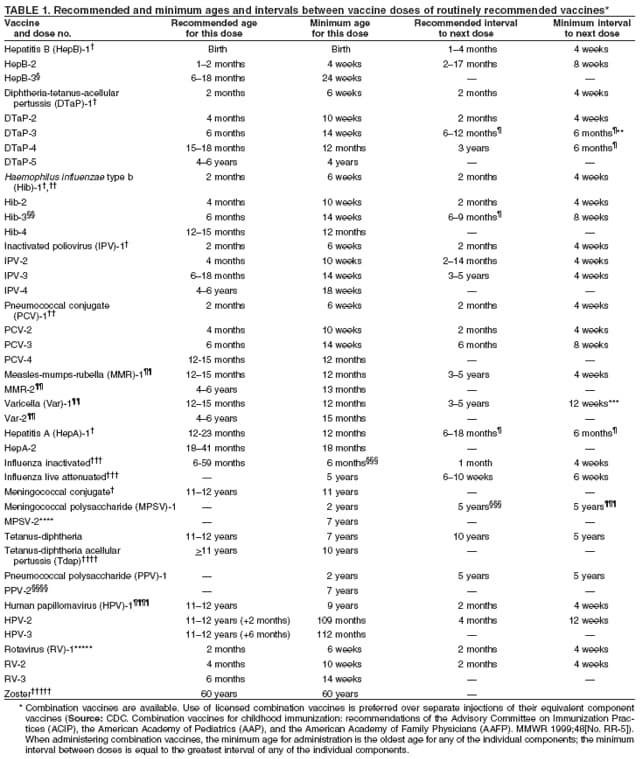
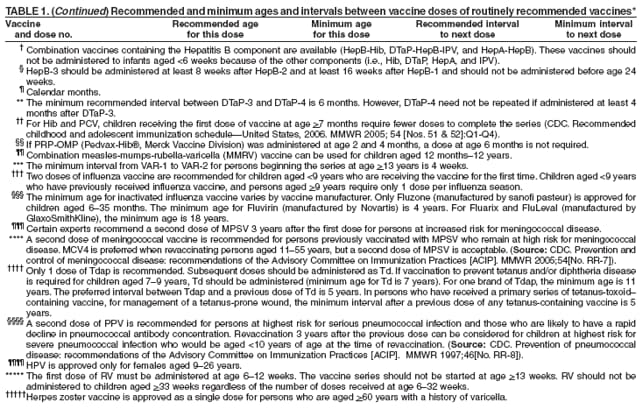
Return to top.
Figure 1
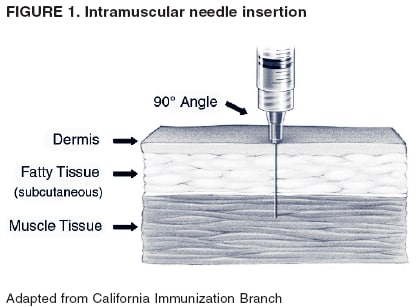
Return to top.
Table 2
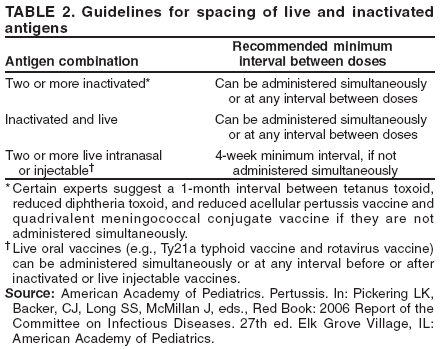
Return to top.
Figure 2
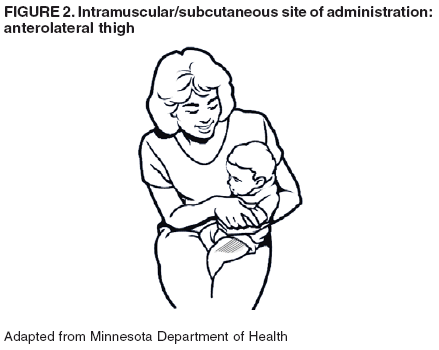
Return to top.
Table 3
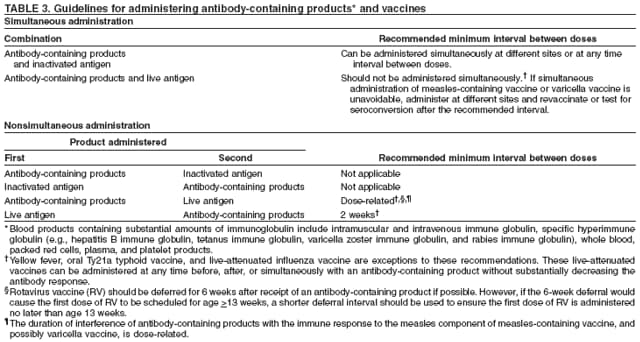
Return to top.
Figure 3
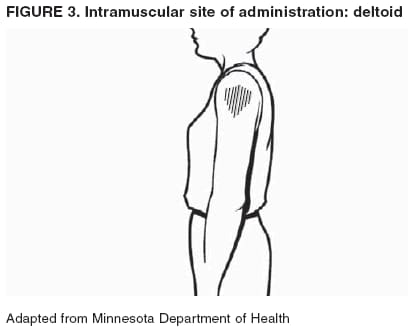
Return to top.
Table 4
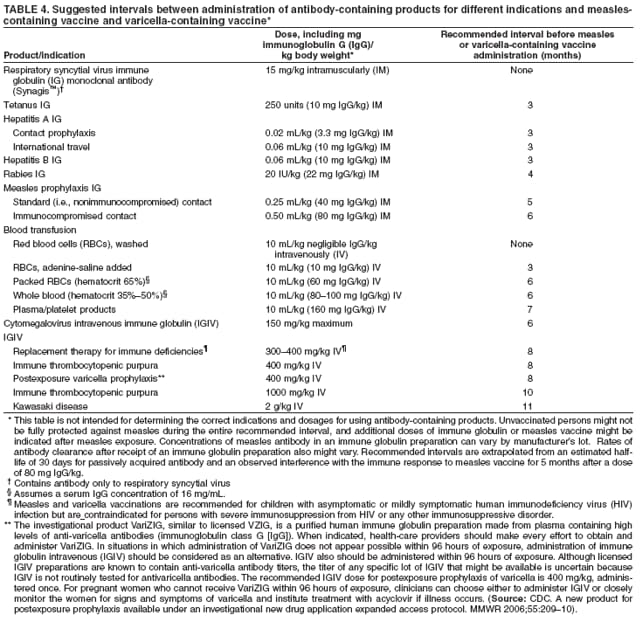
Return to top.
Figure 4
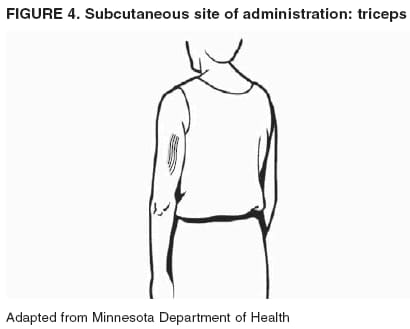
Return to top.
Table 5
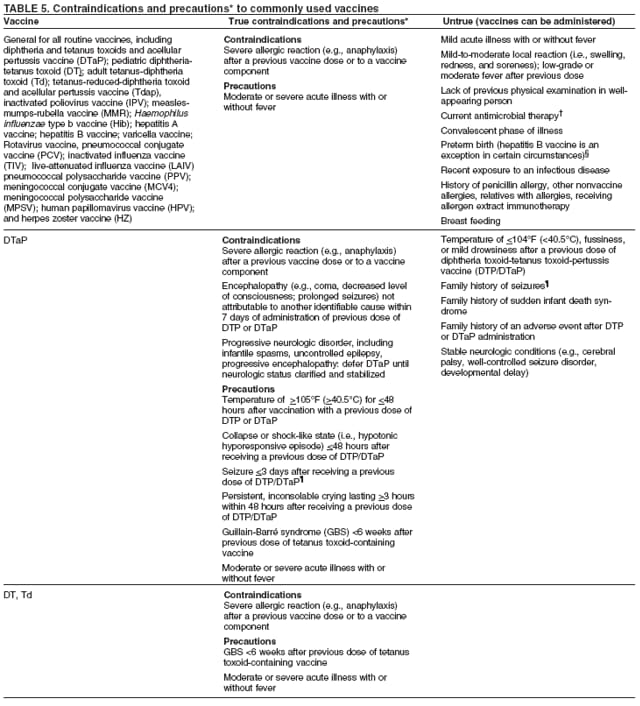
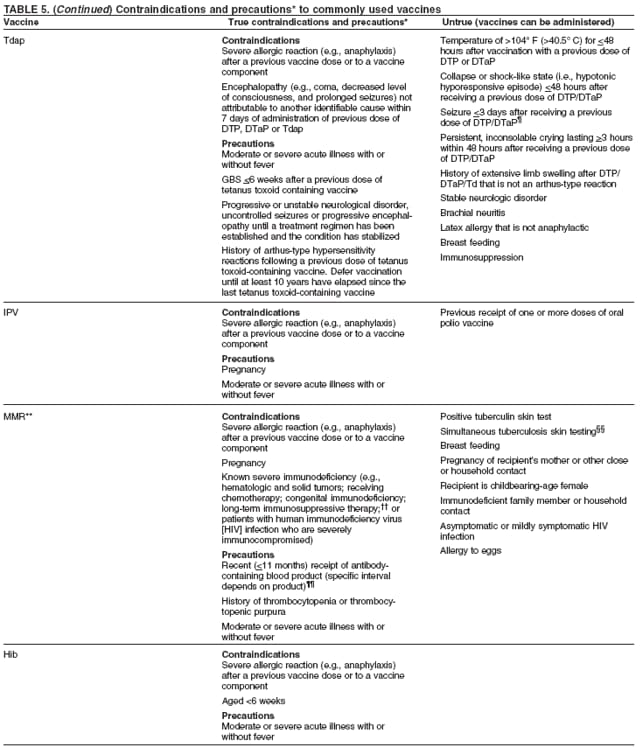
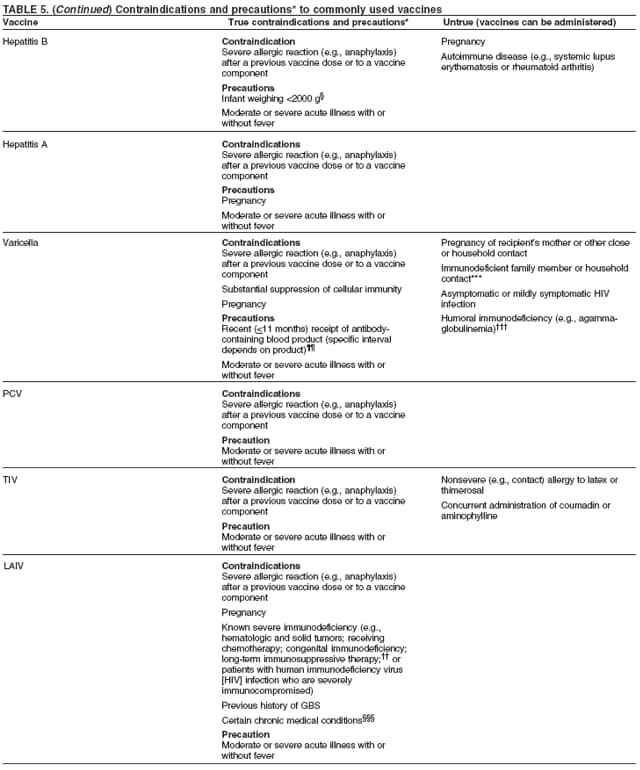
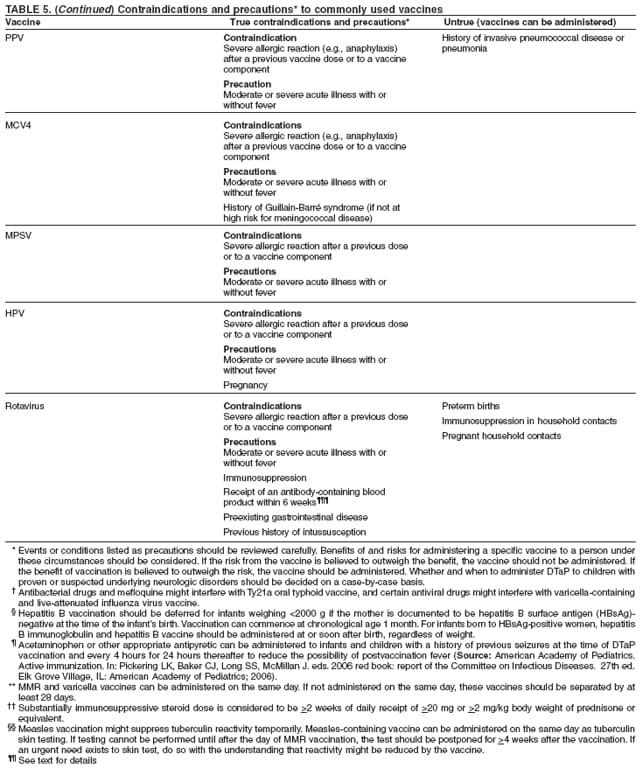

Return to top.
Figure 5
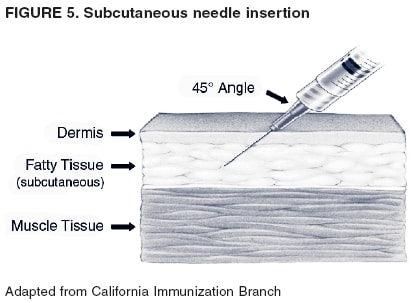
Return to top.
Table 6
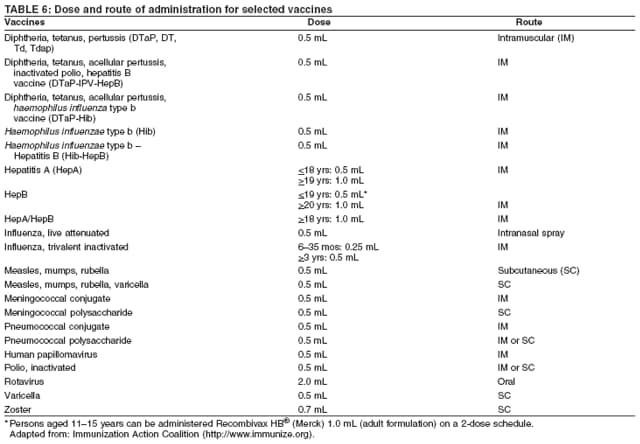
Return to top.
Figure 6
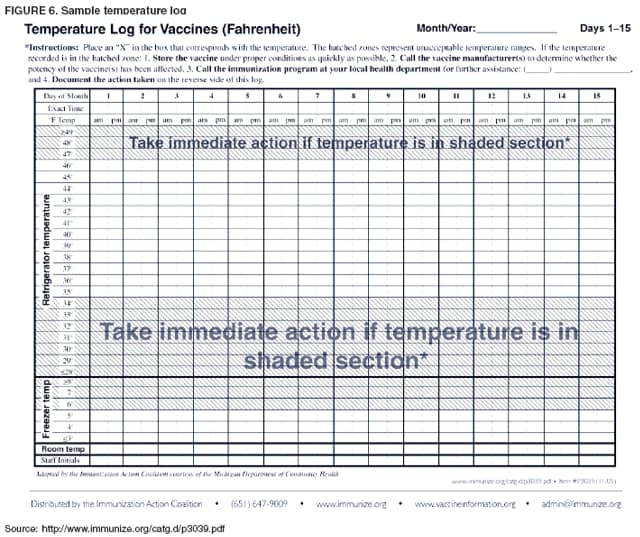
Return to top.
Table 7
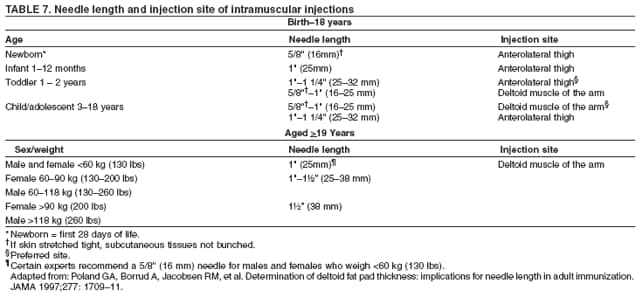
Return to top.
Table 8
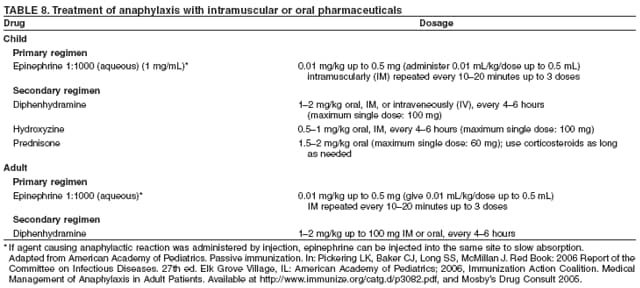
Return to top.
Table 9
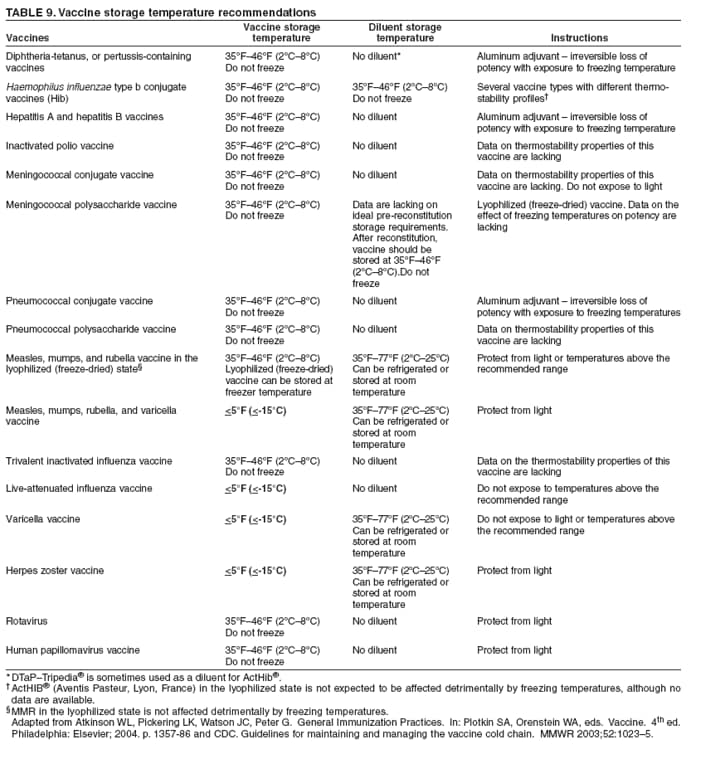
Return to top.
Table 10
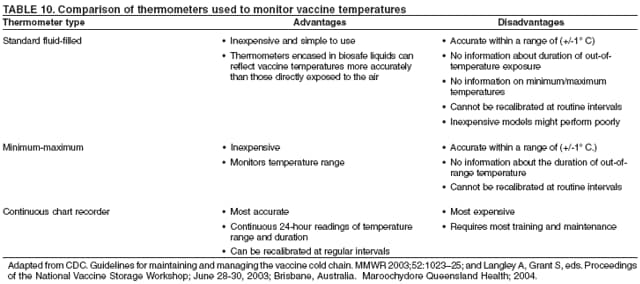
Return to top.
Table 11
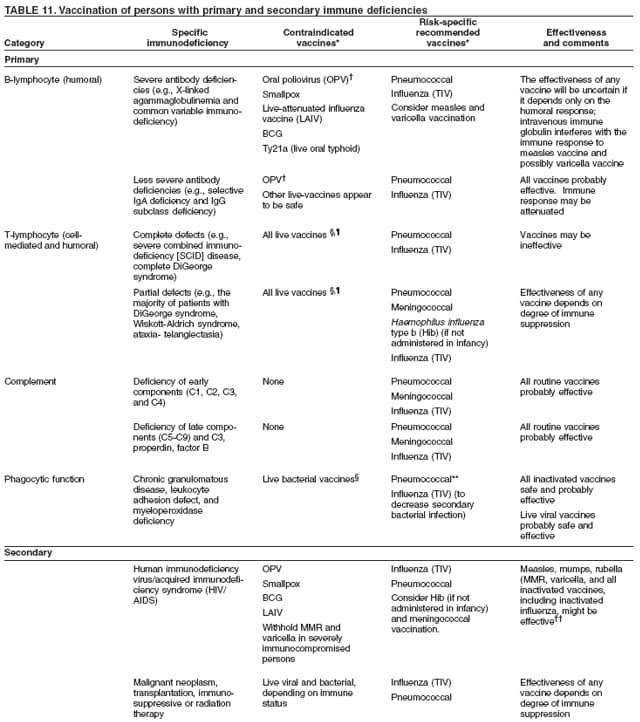
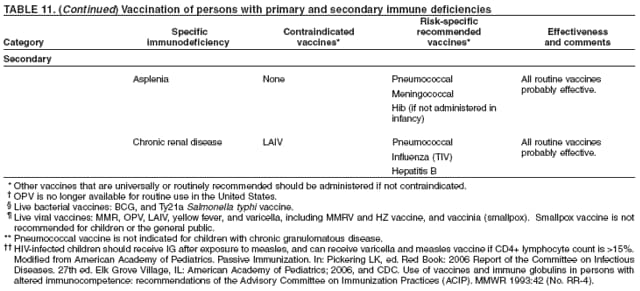
Return to top.
Table 12
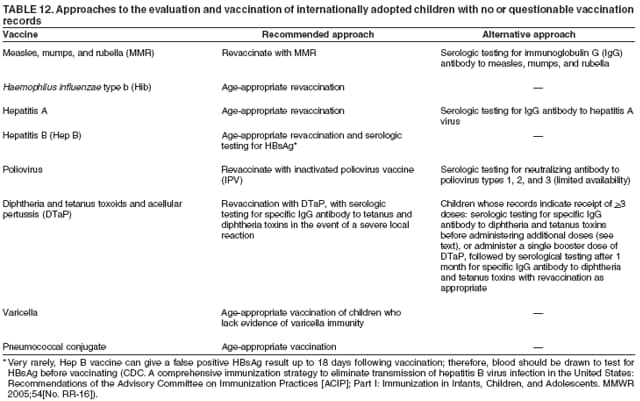
Return to top.
Table 13
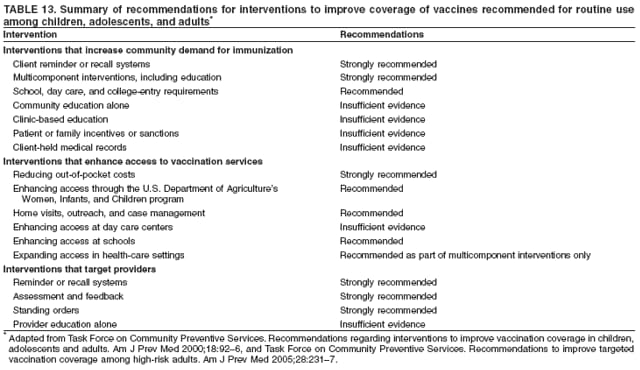
Return to top.
Use of trade names and commercial sources is for identification only and does not imply endorsement by the U.S. Department of
Health and Human Services.
References to non-CDC sites on the Internet are
provided as a service to MMWR readers and do not constitute or imply
endorsement of these organizations or their programs by CDC or the U.S.
Department of Health and Human Services. CDC is not responsible for the content
of pages found at these sites. URL addresses listed in MMWR were current as of
the date of publication. |
Disclaimer
All MMWR HTML versions of articles are electronic conversions from ASCII text
into HTML. This conversion may have resulted in character translation or format errors in the HTML version.
Users should not rely on this HTML document, but are referred to the electronic PDF version and/or
the original MMWR paper copy for the official text, figures, and tables.
An original paper copy of this issue can be obtained from the Superintendent of Documents,
U.S. Government Printing Office (GPO), Washington, DC 20402-9371; telephone: (202) 512-1800.
Contact GPO for current prices.
**Questions or messages regarding errors in formatting should be addressed to
mmwrq@cdc.gov.
Date last reviewed: 11/16/2006